
The Mighty Five

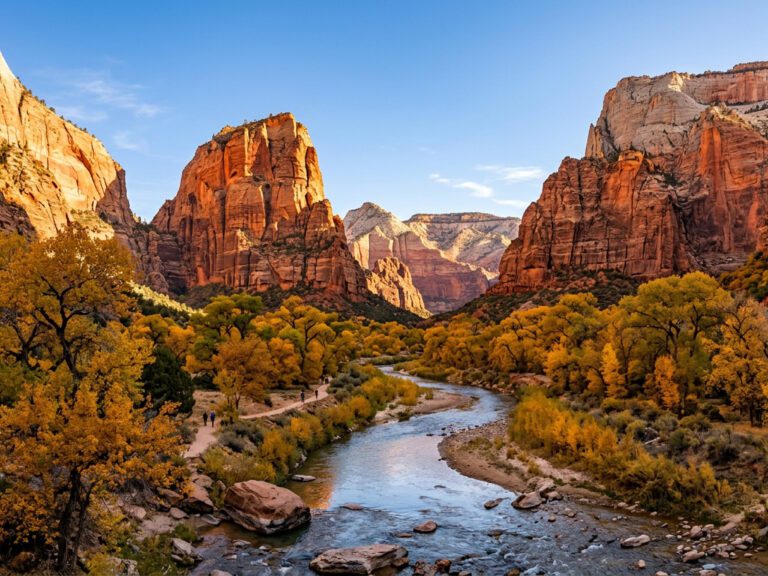
  • Chasing Light in Zion National Park

    The canyon is unlike anything else in the American Southwest. The Navajo sandstone walls rise two thousand feet from the Virgin River below, and the light that moves between them โ€” warm red reflected canyon wall to canyon wall, illuminating the river and the cottonwood trees and the hikers standing in the middle of it all โ€” creates a photographic environment that simply cannot be replicated anywhere else. I’ve studied the photographs for years. I’ve read the field notes. But there are certain places you have to stand inside before you understand what they actually are.
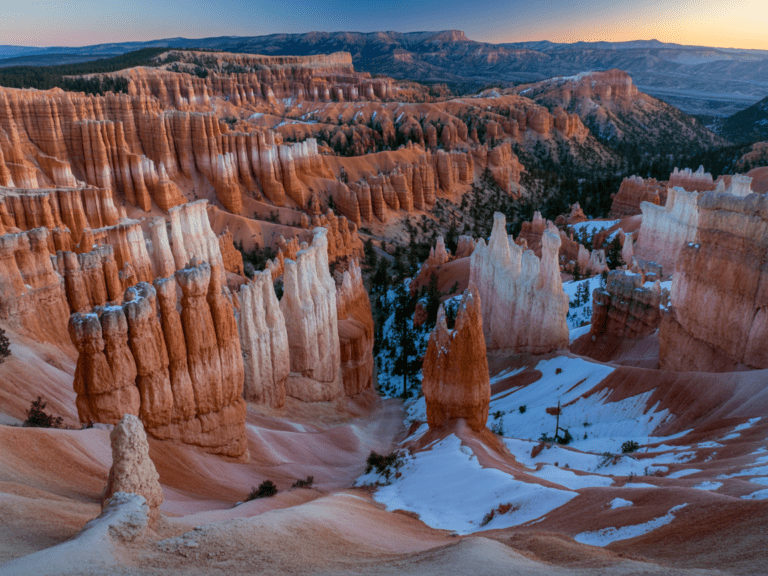
  • First Light at Bryce Canyon National Park

    Bryce Canyon National Park is technically not a canyon at all. It is a series of natural amphitheaters carved into the eastern edge of the Paunsaugunt Plateau โ€” a high, cold place in southern Utah where frost cycles chip and crack the limestone into hoodoos, those tall thin spires that give Bryce its identity. The park sits at 8,000 to 9,000 feet of elevation, which means the light is different here than anywhere else in the Utah parks circuit. Thinner air, sharper contrast, colors that seem almost amplified. For photographers, that elevation is the first thing worth understanding.