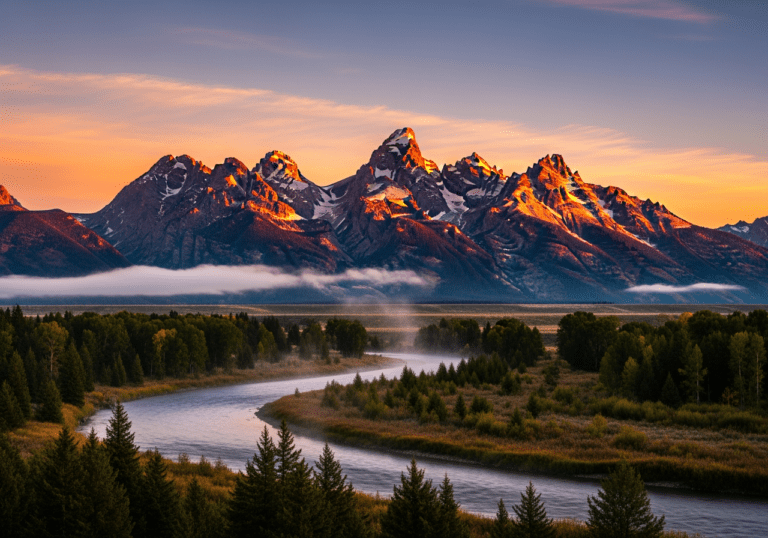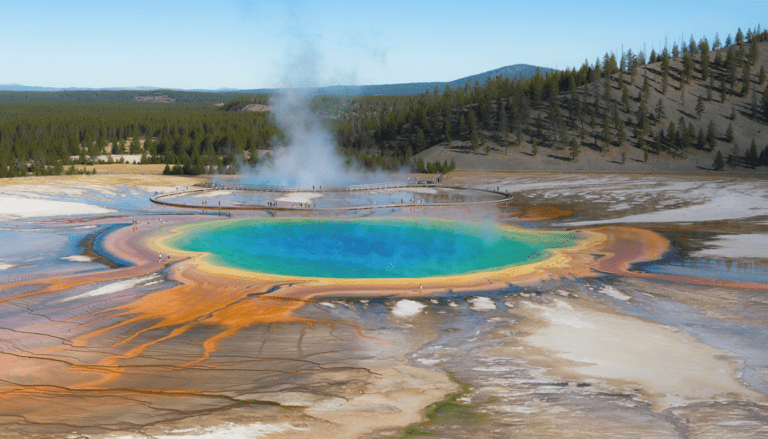
Finding Light in Yellowstone National Park
Yellowstone is America’s first national park — established in 1872, before the concept of a national park fully existed in law or in public imagination. It is also, by almost any measure, the most geologically extraordinary place on the continent. The supervolcano beneath it drives a hydrothermal system unlike anything else on earth, producing geysers, hot springs, mud pots, and fumaroles across 10,000 individual thermal features. For photographers, it is simultaneously one of the most rewarding and most logistically challenging parks in the system — extraordinary subjects everywhere, and crowds that require either timing or strategy to navigate.