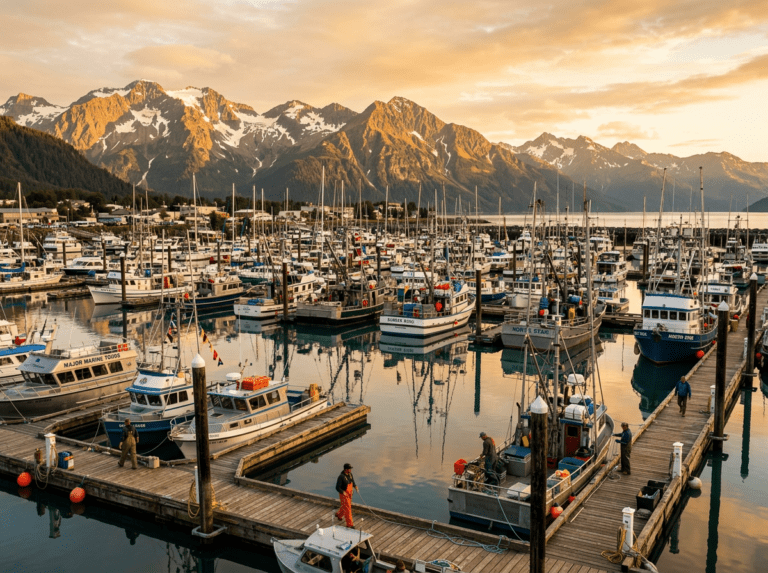
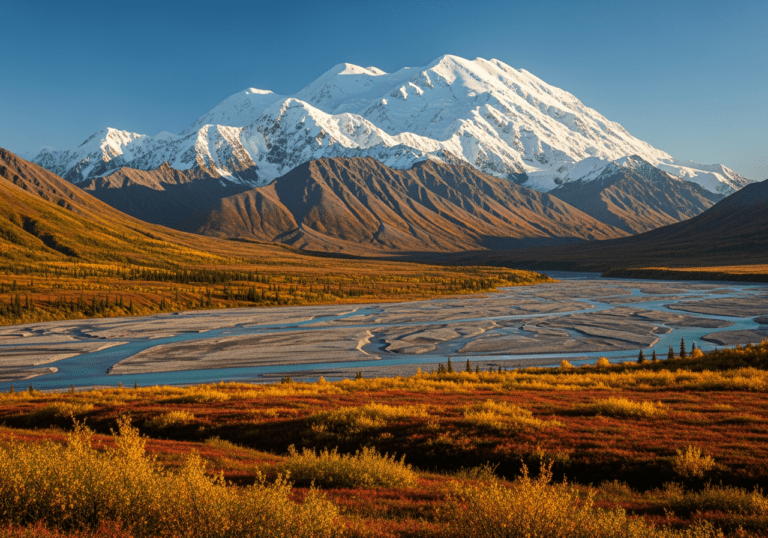
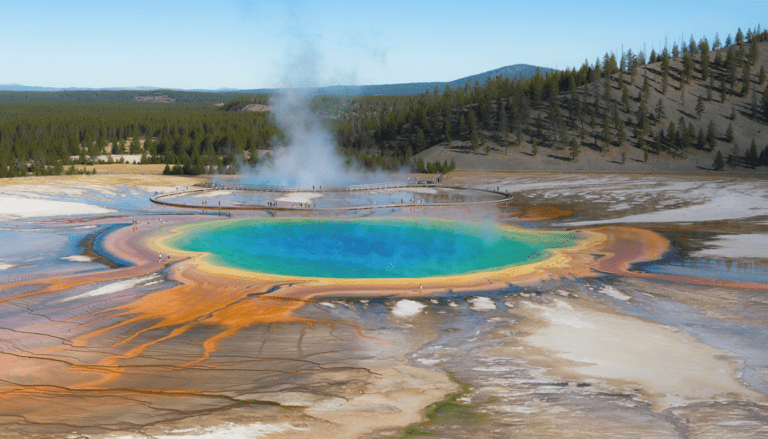
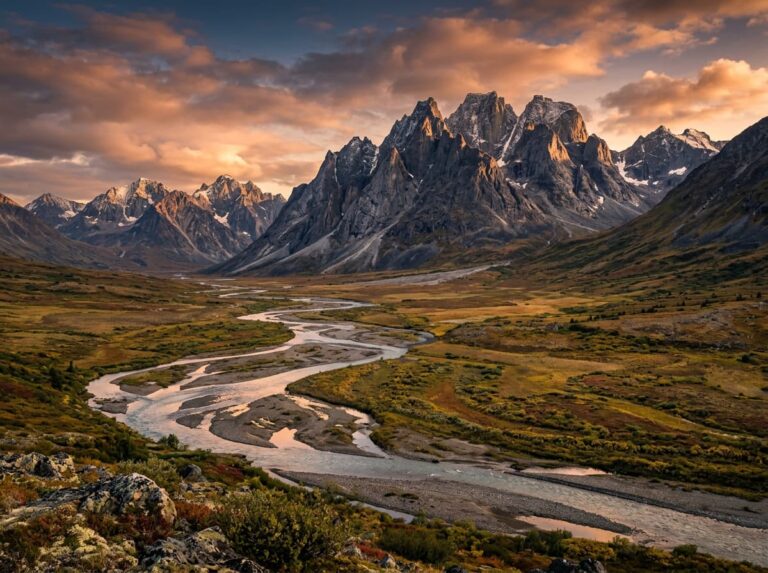
What I See That Most People Walk Past

On learning to read light — and why it changes everything you photograph.

Most people take photographs when something looks beautiful. I take photographs when the light is doing something interesting.

Those are not always the same moment.

After a long career in lighting design — understanding how a single beam can transform a stage, a space, a face — I look at the natural world a little differently than most photographers. Not better, necessarily. Just differently. I see light as the subject, not just the medium.
What It Means to Read Light

Light has behavior. It has direction, temperature, and quality. It changes minute by minute, and it behaves differently in different landscapes. The light at the Grand Canyon isn’t the same as the light in the Pacific Northwest. The light at 5am is a completely different thing than the light at noon.

Most people are taught to photograph in the golden hour — that warm window just after sunrise and before sunset. And the golden hour is real, and beautiful, and worth chasing.

But there are other moments that most people miss entirely. The ten minutes after a storm when the sky goes silver and everything on the ground glows. The flat midday light in the desert that strips away shadow and reveals texture. The blue hour before dawn when the world is a completely different color.

Those are the moments I’m most interested in. And they’re available to anyone willing to show up at the right time and pay attention.

What You’ll Find Here

The Light category is where I get specific about what I’m seeing and why it matters. Not gear reviews. Not technical tutorials. But observations — from the road, from the parks, from years of watching what light does to a landscape when you’re patient enough to wait for it.

If you’ve ever looked at a photograph and wondered why it felt different from everything else — why the light seemed alive instead of just present — this is the category for you.

You don’t need a career in lighting design to learn to see this way. You just need to start looking.


The best light happens when you show up before you think you need to.

Light was always the first language. I’m just learning to speak it in a new landscape.

— Michael
Similar Posts

  • Finding Light in Great Smoky Mountains National Park

    The Smokies suffer from a reputation problem among serious photographers. It is the most visited national park in the system — twelve to fourteen million visitors a year, nearly double Yosemite — and that number conjures images of traffic on Newfound Gap Road and crowded overlooks and the kind of experience that has nothing to do with solitude or light. All of that is real. But it is not the whole truth about the park.

  • Chasing Light in Zion National Park

    The canyon is unlike anything else in the American Southwest. The Navajo sandstone walls rise two thousand feet from the Virgin River below, and the light that moves between them — warm red reflected canyon wall to canyon wall, illuminating the river and the cottonwood trees and the hikers standing in the middle of it all — creates a photographic environment that simply cannot be replicated anywhere else. I’ve studied the photographs for years. I’ve read the field notes. But there are certain places you have to stand inside before you understand what they actually are.

  • First Light at Bryce Canyon National Park

    Bryce Canyon National Park is technically not a canyon at all. It is a series of natural amphitheaters carved into the eastern edge of the Paunsaugunt Plateau — a high, cold place in southern Utah where frost cycles chip and crack the limestone into hoodoos, those tall thin spires that give Bryce its identity. The park sits at 8,000 to 9,000 feet of elevation, which means the light is different here than anywhere else in the Utah parks circuit. Thinner air, sharper contrast, colors that seem almost amplified. For photographers, that elevation is the first thing worth understanding.

  • The Light at Arches National Park

    The name tells you exactly what you’re going to find, which is unusual for a landscape. Most parks require explanation — you have to describe the geology, the scale, the conditions that made the place. Arches does not. There are arches. More than two thousand of them, carved from Entrada sandstone by millions of years of water, ice, and wind working on a plateau in southeastern Utah. The largest natural arch span on earth is here. So is the most photographed arch in the American West.