The first mistake most people make when considering RV life isn’t financial. It isn’t logistical. It isn’t even about choosing the wrong rig. It’s starting the conversation at the wrong end.
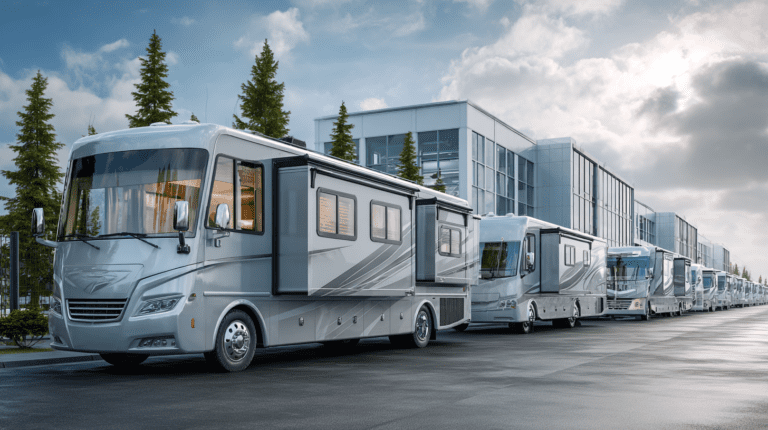
They walk into a showroom, or scroll through listings at midnight, and immediately begin comparing floorplans, slide-outs, and monthly payments. The question driving the whole thing is which one, when the question that actually matters comes before that.
What problem am I trying to solve?
I didn’t arrive at that question right away either. It took a few laps around an RV show floor, a back-of-the-napkin math session that quietly doubled in cost, and a long walk home with a voice memo running before it landed clearly.
This series is the result of that walk.

Heads up. Some of the links here are affiliate links with Amazon and other partners I trust.
You pay nothing extra. I earn a small commission. Everyone wins – and the road stays funded.
“I Want an RV” Is Not a Mission
It’s a vibe. And vibes, while wonderful, don’t tow particularly well.
The people I’ve talked to who ended up with rigs that genuinely work for them, not just look right in a campground photo, almost always started by getting honest about what they were actually trying to build. That answer looks different for everyone.
Some people are chasing simplicity. They’re tired of managing a house and want to reduce what they’re responsible for. An RV, paradoxically, can do that… but only if the lifestyle genuinely downsizes with it.
Some people are chasing movement. Weekend escapes, seasonal loops, the freedom to pick up and go. That’s a real and valid mission, but it calls for a very different setup than someone planning to be on the road for months at a stretch.
Some people are chasing time.. more of it, in better places, before the window closes on certain seasons of health and energy. That’s the one I understand most personally.
And some people are buying transition. A new chapter, a reset, a declaration that life is still open-ended. That’s worth examining carefully, because transition is real… but an expensive rig won’t accelerate it.
None of these missions are wrong. But they lead to very different decisions. The person chasing simplicity may find that van life fits perfectly. The person chasing mobility might be happiest with a towable trailer and a capable tow vehicle. The person chasing longer stays and creative work on the road… which is closer to my situation… needs something different again.
The mission decides the machine. Not the other way around.
My Mission, Honestly Stated
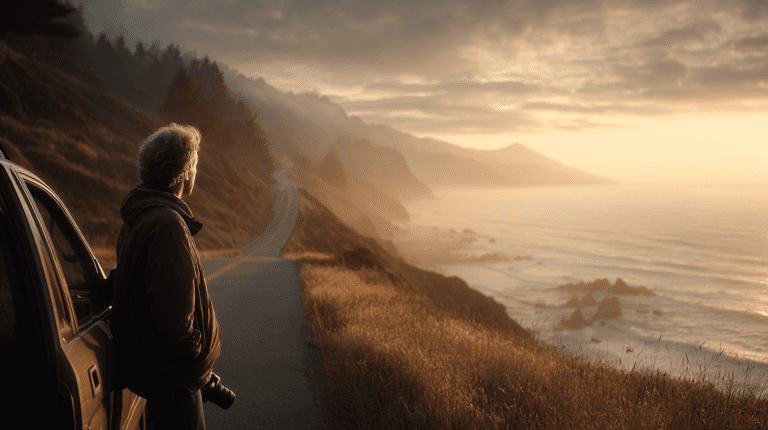
For me, this question is attached to a larger vision: visiting all 63 U.S. national parks. Not as a speed run or a checklist, but as a deliberate, slow project — studying light, telling stories, and lingering in places long enough to actually see them.
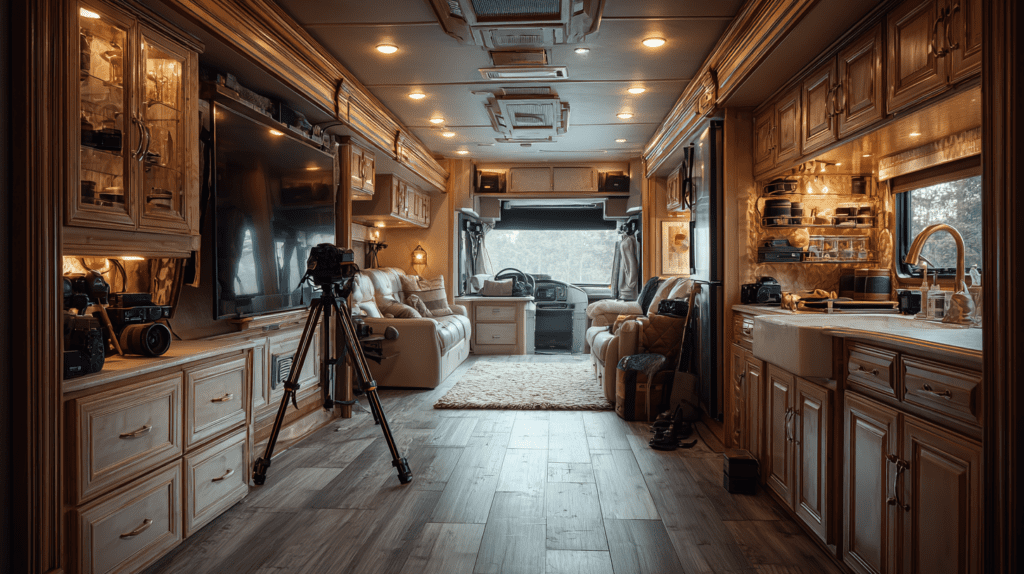
That mission has specific requirements. I need space to store camera bodies, lenses, tripods, audio equipment. I need a setup that allows me to leave camp and reach a trailhead before sunrise without dismantling the whole operation. I need stable temperature for Penny, my tortoiseshell cat, who travels with me and is far more discerning about her environment than I am.
And I need a platform that supports creative work: editing, writing, the occasional interview with someone whose story deserves more than a quick conversation.
When I write it out that way, “I want an RV” becomes something more useful. It becomes a filter. Not every rig passes that filter. Most don’t.
The Questions Worth Sitting With
Before you compare a single floorplan, try answering these honestly:
How many nights per year would you realistically travel? Not the dream number. The honest one. This matters more than almost anything else when you eventually run cost-per-night math (which we’ll get to later in this series).
Who else is part of the equation? A partner with different comfort thresholds. A dog who needs outdoor access every few hours. A cat with strong opinions about temperature and window height. A remote job that requires reliable connectivity. Every person (and animal) in that rig shapes what the rig needs to be.
Are you chasing adventure, or are you chasing control? Both are legitimate. But they feel different on the road. Adventure tolerates improvisation. Control requires a setup that stays predictable when everything outside isn’t.
Is this about travel, or is it about transition? An honest answer to this one can save you from making a very large purchase for a very emotional reason.
One Sentence Before You Go Further
Here’s a practical exercise that sounds simple and isn’t. Write your mission in one sentence.
“I want to travel 90+ nights per year, stay long enough in places to photograph and tell stories, and keep my cat comfortable while I do it.”
“I want weekend escapes a few times a month that are easy to set up and don’t require a second vehicle.”
“I want to test a snowbird lifestyle for one season before committing to anything.”
The sentence doesn’t have to be perfect. It just has to be honest. Because once it exists, you have something to evaluate every rig against. Every floorplan either serves the mission or it doesn’t. Every price bracket either fits the math or it doesn’t.
If you’re looking for a good place to think this through before the next showroom visit, Mark Polk’s The RV Book is one of the cleaner resources for getting grounded in the basics without the hype, the kind of reading that rewards patience before commitment.
What’s Coming Next
Over the next eleven posts, we’ll work through the full RV question… from the real math behind the sticker price, to renting before buying, to what national park size limits mean for your purchase decision, to the very specific ways a twelve-pound cat has reshaped my thinking about floor-plans.
None of this series ends with a purchase announcement. It ends with something more useful: a clearer picture of what you’re actually deciding, and why.
The road isn’t going anywhere. Define the mission first.
About this series: The RV Question is a 12-part exploration of RV life written from the perspective of a photographer and storyteller planning to visit all 63 U.S. national parks. It’s not a buying guide. It’s a thinking guide — for anyone considering a significant change in how they move through the world.