
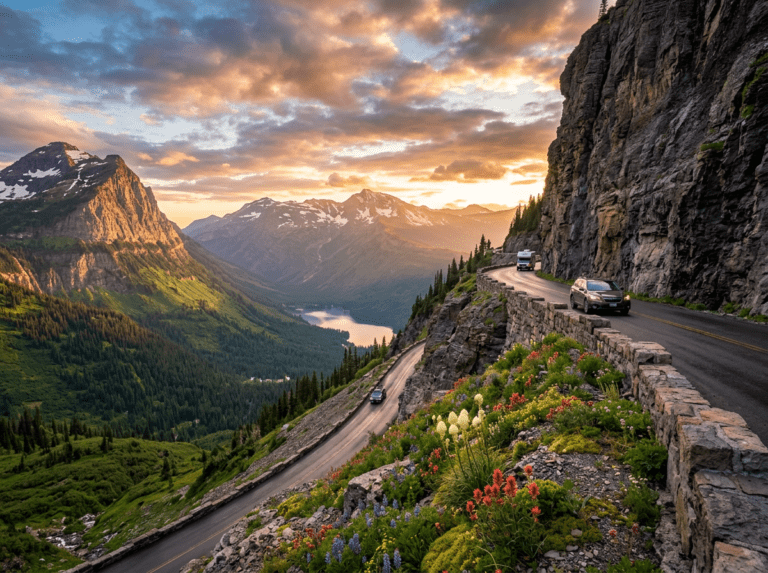
The Northern Rockies

  • Chasing Light in Glacier National Park

    What I want to do differently on the return is leave the car. The road showed me what Glacier looks like from 6,646 feet at Logan Pass. The hikes from that pass — the Hidden Lake Overlook trail, the Highline Trail along the Garden Wall — show you what it feels like from inside it. There is a difference between driving through extraordinary light and hiking into it, and the next visit is about the hiking version. That and an RV camp close enough to the park that the early morning starts are practical rather than heroic.
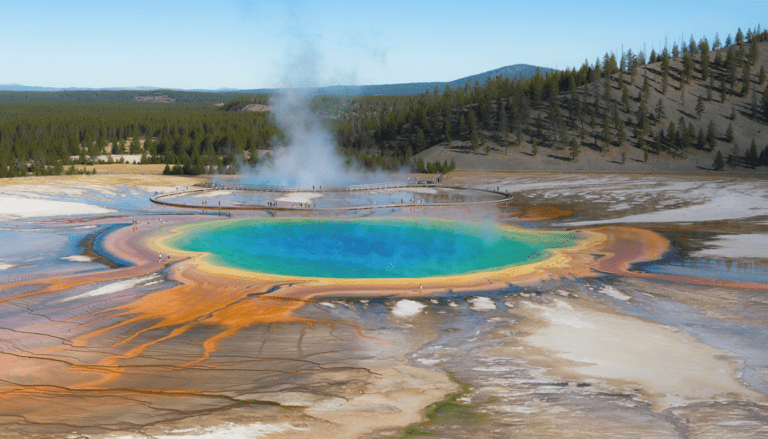
  • Finding Light in Yellowstone National Park

    Yellowstone is America’s first national park — established in 1872, before the concept of a national park fully existed in law or in public imagination. It is also, by almost any measure, the most geologically extraordinary place on the continent. The supervolcano beneath it drives a hydrothermal system unlike anything else on earth, producing geysers, hot springs, mud pots, and fumaroles across 10,000 individual thermal features. For photographers, it is simultaneously one of the most rewarding and most logistically challenging parks in the system — extraordinary subjects everywhere, and crowds that require either timing or strategy to navigate.

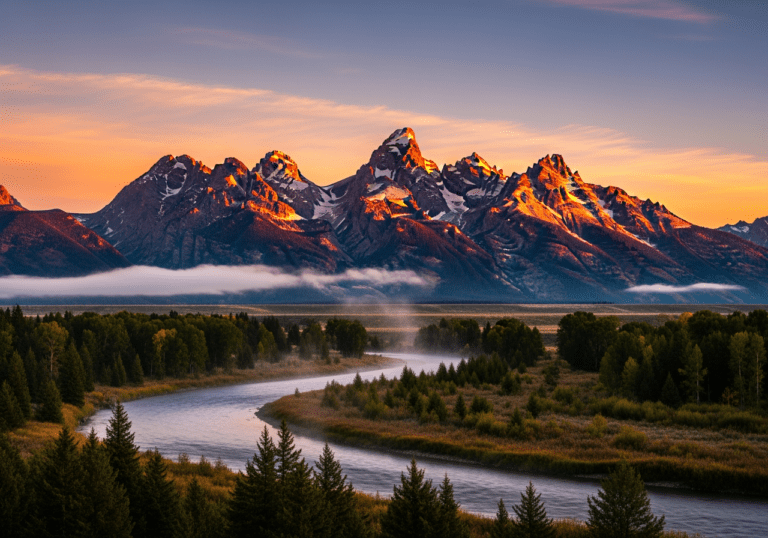
  • First Light at Grand Teton National Park

    The park extends beyond the mountains into the Jackson Hole valley, with Oxbow Bend on the Snake River, the Willow Flats moose habitat, the sagebrush flats of Antelope Flats where bison herds graze with the Tetons behind them, and the string of glacial lakes — Jenny Lake, String Lake, Leigh Lake — along the base of the range. Each location is a different expression of the same mountain and valley system, and each one has its specific light window and its specific wildlife rhythm.