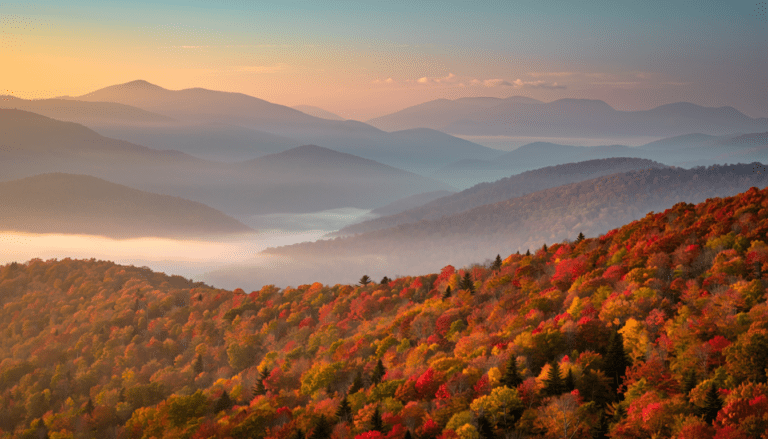
What I See That Most People Walk Past

On learning to read light — and why it changes everything you photograph.

Most people take photographs when something looks beautiful. I take photographs when the light is doing something interesting.

Those are not always the same moment.

After a long career in lighting design — understanding how a single beam can transform a stage, a space, a face — I look at the natural world a little differently than most photographers. Not better, necessarily. Just differently. I see light as the subject, not just the medium.
What It Means to Read Light

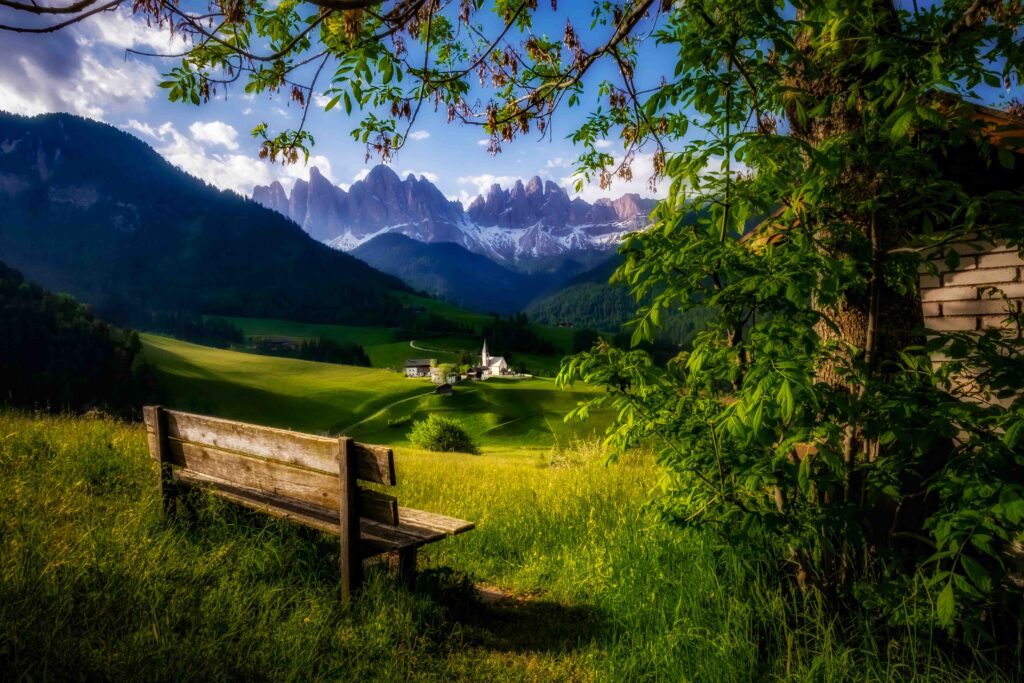
Light has behavior. It has direction, temperature, and quality. It changes minute by minute, and it behaves differently in different landscapes. The light at the Grand Canyon isn’t the same as the light in the Pacific Northwest. The light at 5am is a completely different thing than the light at noon.

Most people are taught to photograph in the golden hour — that warm window just after sunrise and before sunset. And the golden hour is real, and beautiful, and worth chasing.

But there are other moments that most people miss entirely. The ten minutes after a storm when the sky goes silver and everything on the ground glows. The flat midday light in the desert that strips away shadow and reveals texture. The blue hour before dawn when the world is a completely different color.

Those are the moments I’m most interested in. And they’re available to anyone willing to show up at the right time and pay attention.

What You’ll Find Here

The Light category is where I get specific about what I’m seeing and why it matters. Not gear reviews. Not technical tutorials. But observations — from the road, from the parks, from years of watching what light does to a landscape when you’re patient enough to wait for it.

If you’ve ever looked at a photograph and wondered why it felt different from everything else — why the light seemed alive instead of just present — this is the category for you.

You don’t need a career in lighting design to learn to see this way. You just need to start looking.


The best light happens when you show up before you think you need to.

Light was always the first language. I’m just learning to speak it in a new landscape.

— Michael
Similar Posts

  • First Light at Acadia National Park

    Acadia is the only national park in the northeastern United States, and it occupies a landscape unlike anything else in the park system — granite peaks rising directly from the Atlantic Ocean, pink granite shoreline meeting cold surf, spruce and fir forest covering the hillsides in a dense dark green that the western parks cannot match. The light here is an Atlantic light. Coastal, variable, frequently dramatic, capable of turning a gray morning into something extraordinary with almost no warning. For photographers trained on the warm reds of the desert Southwest or the granite gold of the Sierra Nevada, Acadia is a recalibration.

  • Nature’s Softbox

    Watch what the light does as the sun moves. Watch what a cloud changes. Watch the difference between the shadow at 8am and the shadow at 10am. Watch what happens in the five minutes after the cloud passes and the sun returns — there’s often a moment of transition, a brief window where the light is doing something in between hard and soft, that’s unlike either state.

  • The Light at Redwood National and State Parks

    Some landscapes become part of our imagination long before we ever visit them. The redwood coast of northern California is one of those — the photographs of the ancient groves, the shafts of light through the canopy, the trees so large that people standing at their base become suggestions of scale rather than human beings. I had those images in my head before I ever drove Highway 101 through Del Norte County.

  • Chasing Light in Badlands National Park

    The color of the Badlands is what most visitors remember and most photographs fail to communicate accurately. The formations are not one color — they are dozens. Cream and tan in the upper sedimentary layers, deep burgundy and rust in the iron-rich bands below, lavender and gray in the volcanic ash layers, the whole spectrum shifting continuously as the light angle changes. At midday those colors flatten to a washed-out beige. At sunrise and sunset they deepen and saturate to something that looks almost impossible — the kind of color that makes first-time visitors stop mid-sentence and just look.

  • Inside Shenandoah National Park

    Some landscapes become part of our imagination long before we ever visit them. Shenandoah works differently. It becomes part of your imagination on the drive in — the moment Skyline Drive begins to climb the Blue Ridge and the valley below starts to fall away and the Appalachian ridgeline opens up on both sides, layered blue on blue on blue into the distance.

  • Inside Mount Rainier National Park

    When planning a visit to America’s national parks, Washington State offers two experiences that could not be more different from each other — the wild Pacific coast of Olympic and the volcanic summit of Mount Rainier, each extraordinary in its own way, each requiring its own kind of attention. I started my 50 at 60 journey in Washington and visited both. Rainier was first.