Florida & The Islands

  • Inside Dry Tortugas National Park

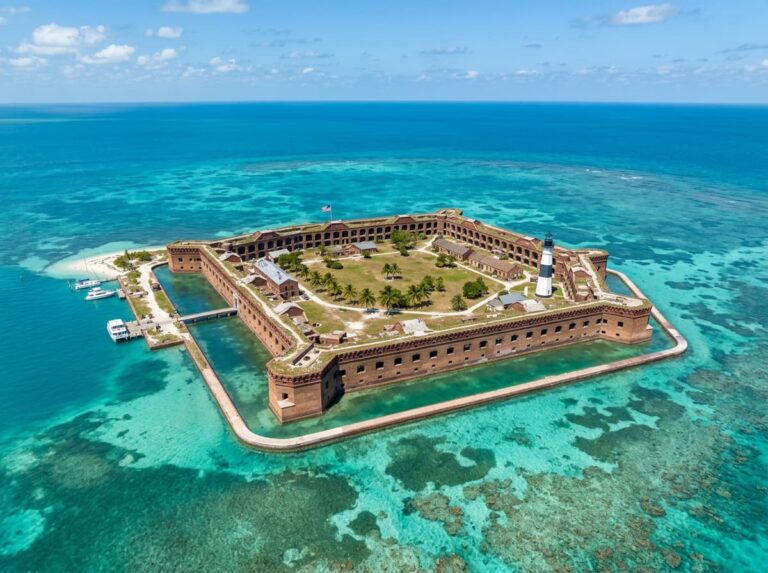
    The waters surrounding the fort and the other Tortugas keys are among the clearest in Florida — the distance from any mainland development means minimal runoff and minimal light pollution, and the visibility underwater can exceed 100 feet on calm days. The coral reef along the southern and western edges of the park supports the same Caribbean reef ecosystem as Biscayne and the Florida Keys, with the added protection of extreme remoteness that keeps fishing and boat traffic minimal. Sea turtles — the green and loggerhead species that gave the islands their name — nest on the beaches of the outer keys and are regularly visible in the surrounding waters.
  • The Light at Biscayne National Park

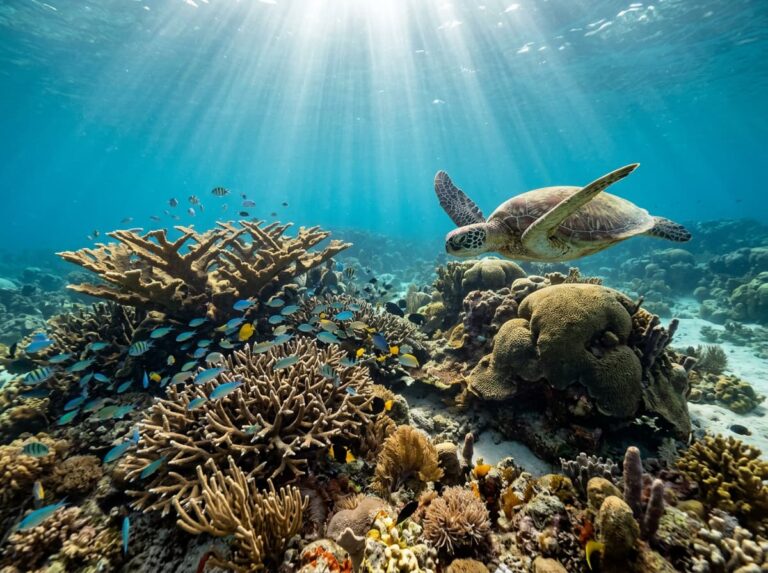
    Biscayne National Park protects 172,000 acres of southern Biscayne Bay, the upper Florida Keys, and the offshore coral reefs — making it one of the largest marine national parks in the system and the largest national park in Florida by area. The park’s above-water component is relatively small: a narrow strip of mangrove coastline on the mainland, the Dante Fascell Visitor Center at Convoy Point, and a chain of small islands — the northern Keys — that are accessible only by boat. Elliott Key, the largest island in the park, has a campground, hiking trails through tropical hardwood hammock forest, and the swimming beach at Hurricane Harbor.

  • Chasing Light in Virgin Islands National Park

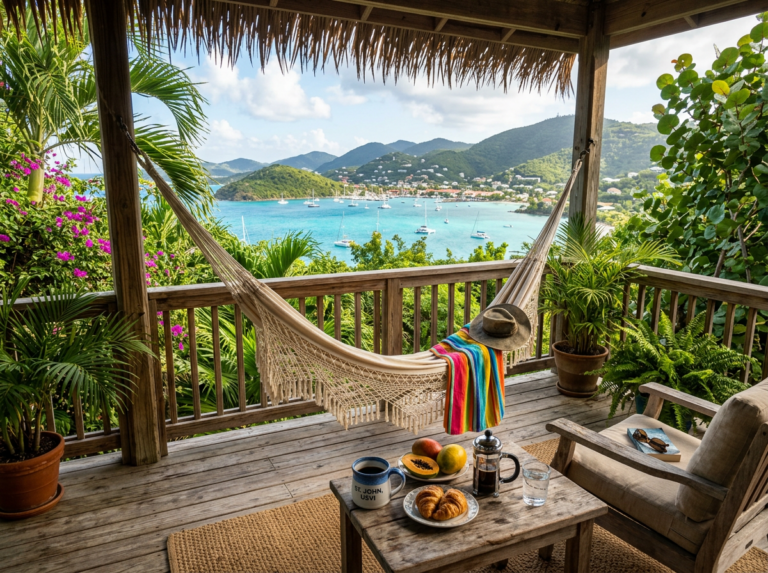
    Some landscapes become part of our imagination through work rather than vacation. I have spent time in the Caribbean on projects — a week living in an Airbnb in the Bahamas while lighting a high-end wedding, three containers of equipment shipped to the island, a golf cart as the primary mode of transportation between the venue and wherever the light needed to be. That week taught me something that no amount of travel photography research can substitute for: the Caribbean has a pace, and the pace is the point.

  • Inside Everglades National Park

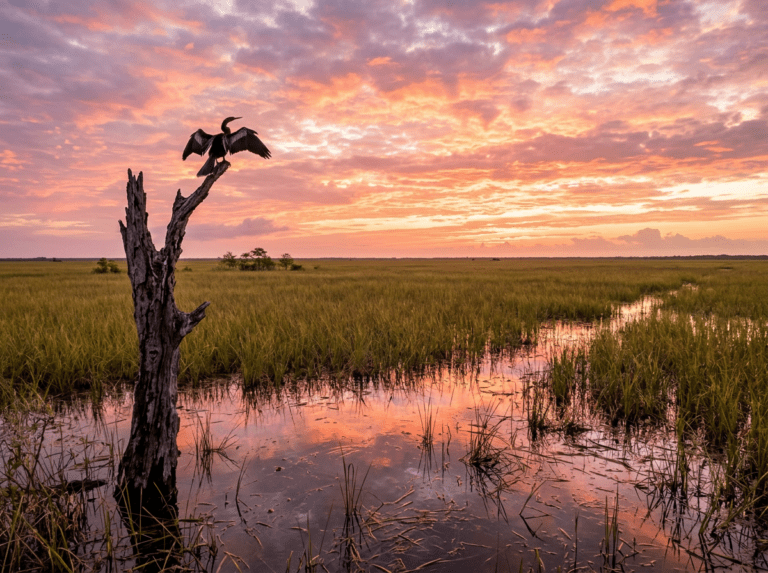
    The short version: I live about an hour from one of the most ecologically extraordinary national parks on the planet, and I have essentially not photographed it. That is a failure of proximity. The parks that are closest to home are sometimes the ones we treat with the least seriousness, assuming they will always be there, assuming there is no urgency. The Everglades has been waiting patiently for me to show up at the right hour with the right intention. It is still waiting.