Great Plains & Badlands

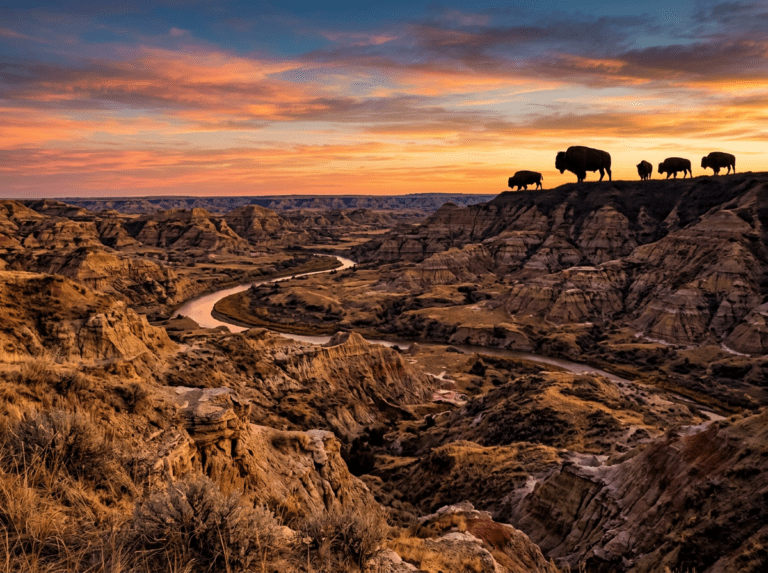
  • Storm Light in Theodore Roosevelt National Park

    Some landscapes become part of our imagination long before we ever visit them. Theodore Roosevelt National Park is not one of those. It tends to arrive as a surprise — a park most people haven’t thought much about, sitting in the North Dakota badlands along the Little Missouri River, named for the president who spent formative years in this exact landscape and credited it with saving his life after the deaths of his wife and mother on the same day in 1884.

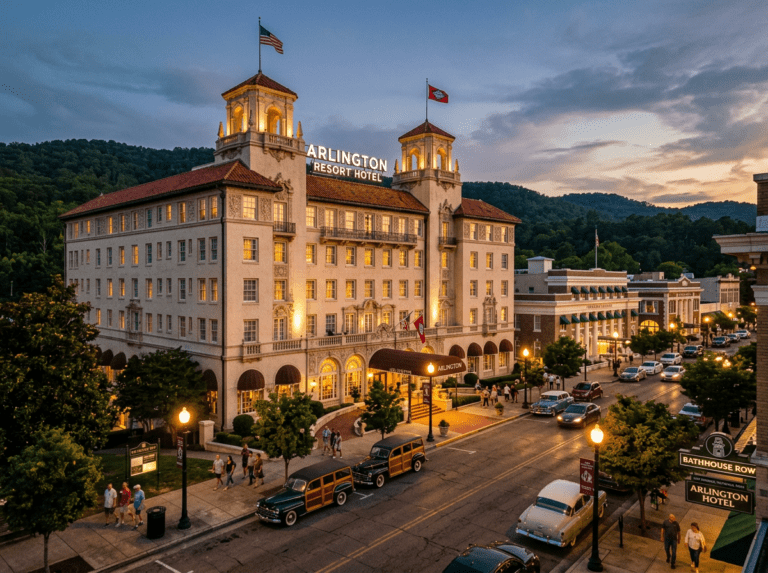
  • Chasing Light in Hot Springs National Park

    Hot Springs is the smallest national park in the system and the oldest protected federal land in America — designated a federal reservation in 1832, decades before Yellowstone established the national park concept in 1872. It sits not in a remote wilderness but in the middle of a small Arkansas city, also called Hot Springs, where the historic bathhouses of Bathhouse Row line Central Avenue in a grand procession of early 20th-century architecture. The park is the city and the city is the park, intertwined in a way that exists nowhere else in the national park system.

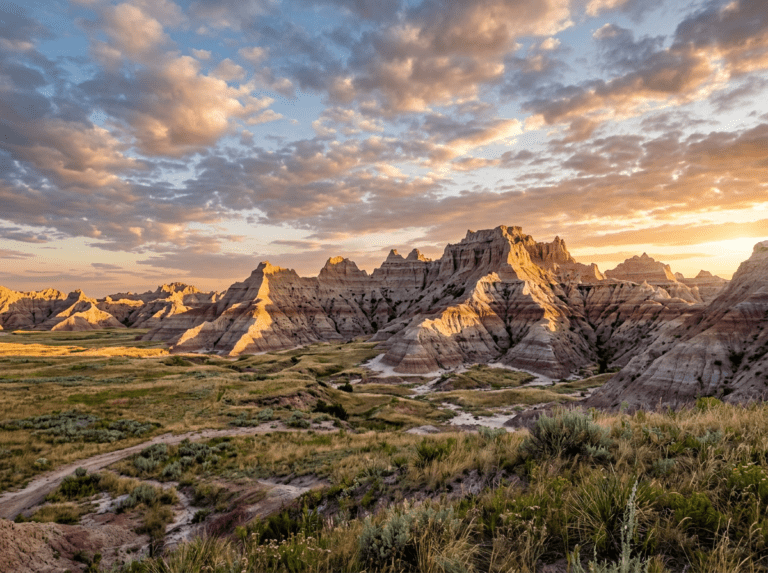
  • Chasing Light in Badlands National Park

    The color of the Badlands is what most visitors remember and most photographs fail to communicate accurately. The formations are not one color — they are dozens. Cream and tan in the upper sedimentary layers, deep burgundy and rust in the iron-rich bands below, lavender and gray in the volcanic ash layers, the whole spectrum shifting continuously as the light angle changes. At midday those colors flatten to a washed-out beige. At sunrise and sunset they deepen and saturate to something that looks almost impossible — the kind of color that makes first-time visitors stop mid-sentence and just look.