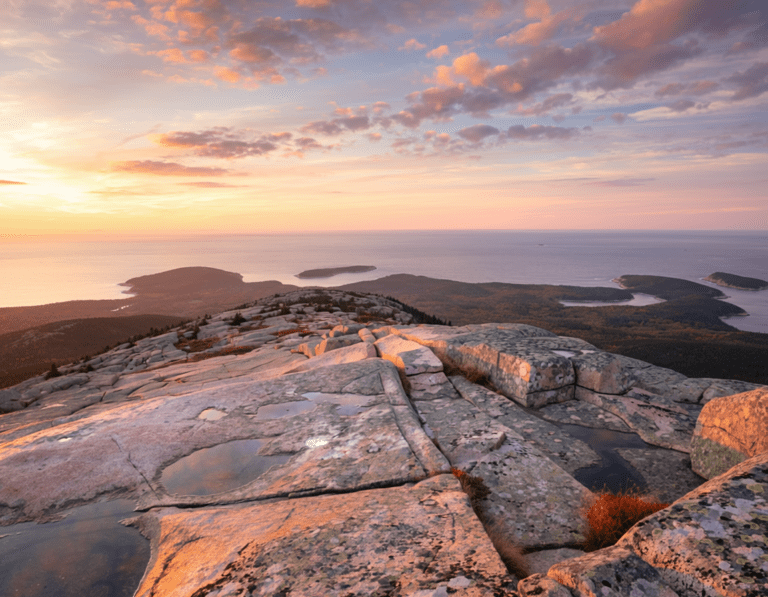
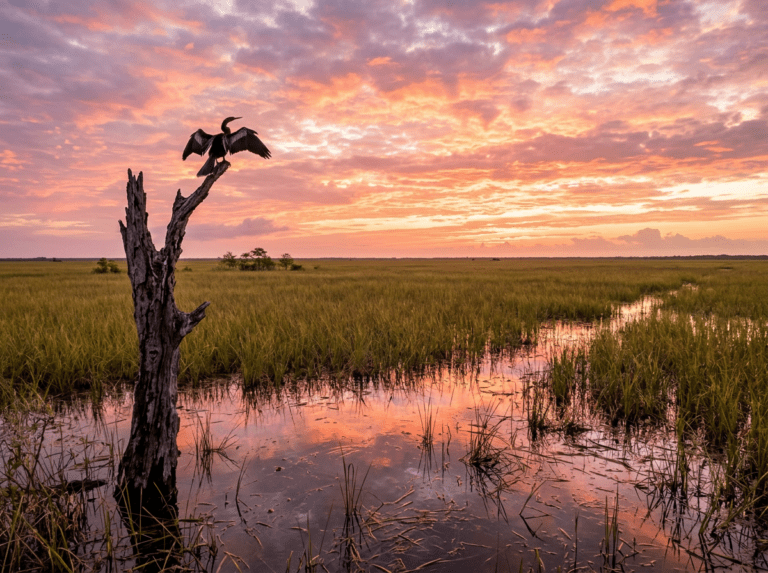
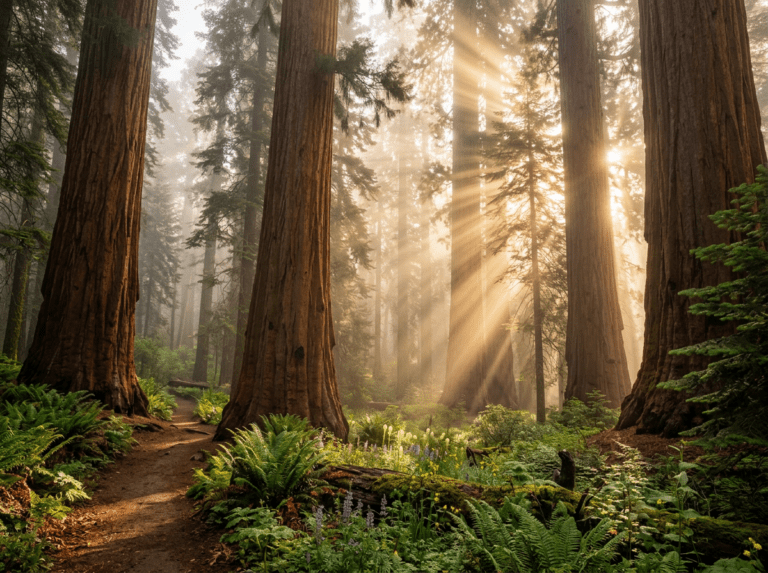
A photographer’s first look — and a promise to return with better light.
I’ve spent forty years thinking about light.
Not the way most people think about it, not whether the lamp needs replacing or if the curtains are blocking the window. I mean light as a language. As a tool. As the thing that can make an ordinary moment feel like it matters.
For decades I designed lighting for stages, events, and productions. I learned to read a space and ask: where does the light want to go? What does it want to reveal? What should it leave in shadow?
Then I walked away from all of that and pointed my camera at something I’d been putting off, the American landscape. And nowhere has made me think harder about light than Yosemite.
The Landscape That Stops You Cold
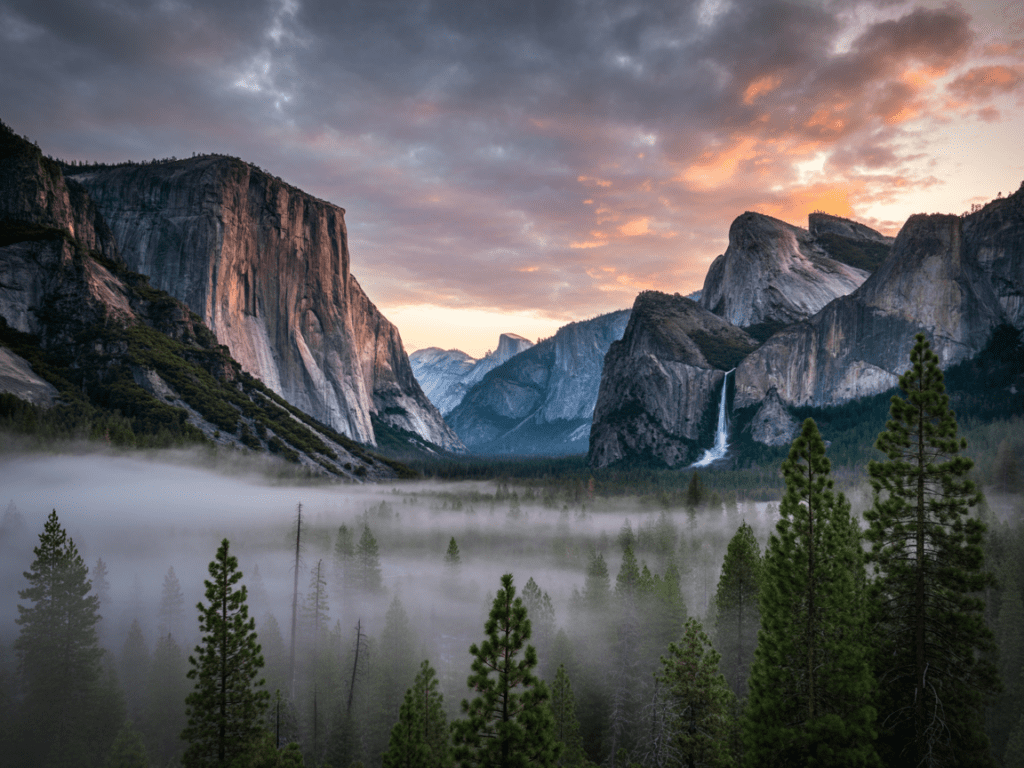
There’s a moment when you first drive into Yosemite Valley… through the tunnel, around the bend… and the whole thing opens up in front of you. El Capitan on the left. Half Dome in the distance. Bridalveil Fall dropping three hundred feet on the right. I’ve been to a lot of places. That moment still gets me.
What makes Yosemite different from almost every other landscape I’ve photographed is the scale combined with the intimacy. Those granite walls are enormous. El Capitan rises nearly 3,000 feet from the valley floor, yet the valley itself feels contained. Like a room with the most dramatic walls you’ve ever seen. And like any room, it’s all about how you light it.
The granite changes color throughout the day in ways that still surprise me. At sunrise it goes from cold gray to warm amber in minutes. By midday it flattens into something almost harsh. Then late afternoon brings this raking sidelight that carves every crack and ledge into sharp relief. And at sunset, if there are clouds, the whole valley can turn a color I don’t have a good word for. Somewhere between gold and fire.
The Photographer’s Chase
Here’s the honest truth about photographing Yosemite: the famous viewpoints are easy to find. Tunnel View. Valley View. Mirror Lake. They’re on every map, in every guidebook, photographed millions of times. The challenge, and the part that interests me, is being there when the light decides to do something extraordinary.
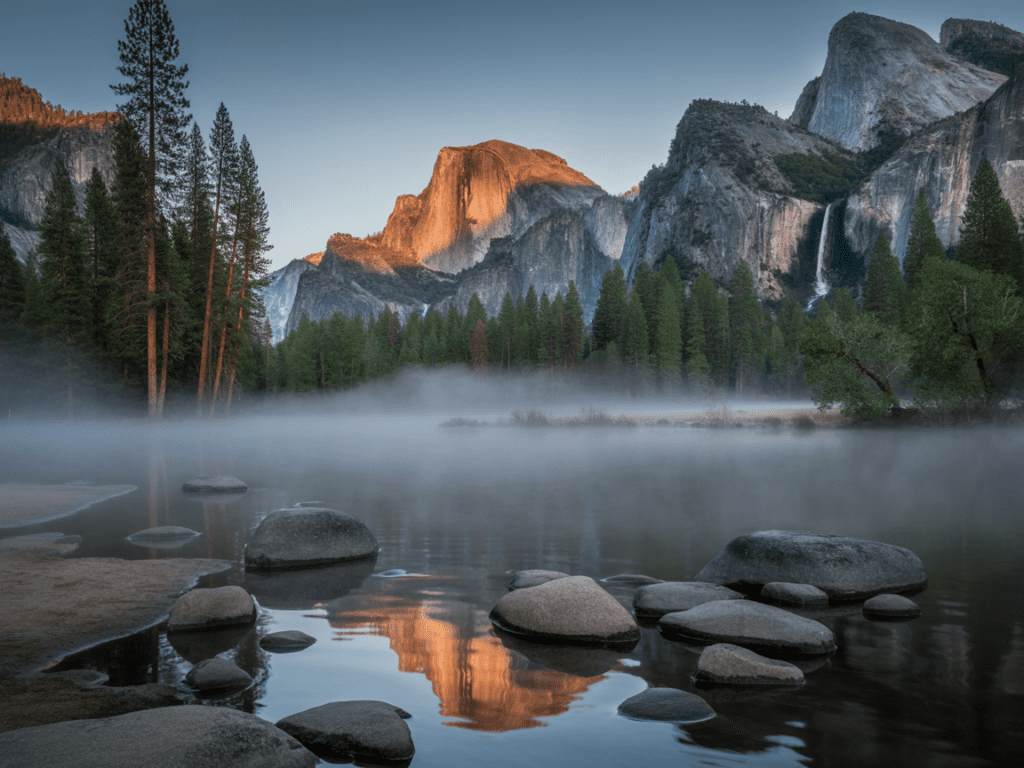
Early morning in the valley is different from anywhere else I’ve been. The mist comes off the Merced River just after dawn and hangs in layers between the valley walls. When the first sunlight clears the ridge and hits that mist, there are maybe ten minutes where the whole valley glows from the inside. I’ve never seen anything quite like it at any event I lit… and I’ve lit some beautiful events.
Storm light is the other thing I want to chase here. When a weather system moves through the Sierra Nevada and the clouds break just before sunset, the contrast between dark sky and glowing granite is the kind of shot that makes you understand why Ansel Adams kept coming back for decades.
These moments don’t happen on a schedule. That’s the whole point.
Planning Your Visit
Yosemite is one of the most visited parks in the country, which means the experience you have depends enormously on when you go.
Spring brings the waterfalls at their most powerful, snowmelt from the High Sierra sends Yosemite Falls and Bridalveil roaring for weeks. It’s also when the valley floor greens up and the light has a quality that’s hard to describe… soft, diffused, almost gentle.
Summer is peak season. Beautiful conditions, full access to the high country, and serious crowds. If you go in summer, commit to early mornings.
Fall is my instinct for a first photography visit. The crowds thin out, the light gets that low-angled quality I love, and the valley oak trees turn a color that photographers have no business ignoring.
Winter transforms the place entirely. Snow on the valley floor, ice in the river, the granite walls going monochrome. It’s a different park.
Where to Stay
If you can get a reservation at The Ahwahnee, take it. It’s one of the great lodges of the American West and it puts you right in the valley, which means you’re positioned for golden hour without a long drive.
For everyone else, the gateway towns of Mariposa and Oakhurst have solid options and keep you close enough for early starts. El Portal, right at the park entrance, is worth knowing about.
My personal plan when I make this trip: the RV, parked at Upper Pines Campground in the valley for at least four nights. Wake up before sunrise every morning. Stay until the last light is gone. Cook outside. Let the place do what it does.
Landscapes like Yosemite reveal themselves slowly. You have to give them time.
The Light I’m Still Waiting For
I haven’t made my Yosemite photography trip yet. That’s the honest version of this post. Sure I was there and I DID take some images, but I am a much different version of myself now.
What I have is forty years of knowing how light behaves, a long list of moments I want to chase, and a plan that involves an RV, a cat named Penny, and enough patience to wait for the valley to show me something I haven’t seen before.
The storm light over Half Dome. The mist burning off the Merced at dawn. The last ten minutes before the sun drops behind the ridge and the whole valley goes quiet and gold. Those are the shots. I’ll get back to you when I have them.
Part of Something Larger
This post is part of my ongoing project to visit and photograph all 63 US National Parks — a journey I’m documenting here at Chasing Light & Story as it unfolds.
Each park gets its own post. Some will have my own photography. Some, like this one, for now, are built on research, past visits, and the specific curiosity of someone who has spent a career thinking about light and is finally pointing that knowledge at the places that deserve it most.
The deeper field guides, with photography locations, seasonal light planning, and everything I learn from actually being there are soon coming. You can get notified when they’re ready below.
One more thing — just between us.
If you’re anything like me, you’re already excited about Yosemite and already slightly anxious about the timed entry lottery. So here are three places I keep in my back pocket for when the valley feels like it’s at capacity.
Hetch Hetchy — the valley that Ansel Adams called Yosemite’s twin — sits in the park’s northwestern corner and sees a fraction of the valley traffic. The reservoir and the surrounding granite are extraordinary, the crowds are thin, and a valid park entry covers it.
For something completely outside the park, Carlon Falls in the adjacent Stanislaus National Forest is a 4-mile round trip through old-growth forest to a waterfall that feels like Yosemite’s quieter cousin — no permit required, no reservation, almost no one there.
And if you have a day to spend farther afield, Mono Lake on the eastern side of the Sierra via Tioga Road is one of the most otherworldly landscape photography subjects in California — tufa towers rising from an alkaline lake, shorebirds in enormous numbers, and a light quality at sunrise that has nothing to do with the granite and waterfalls you came for. Same day trip. Completely different planet.