California

  • The Light at Kings Canyon National Park

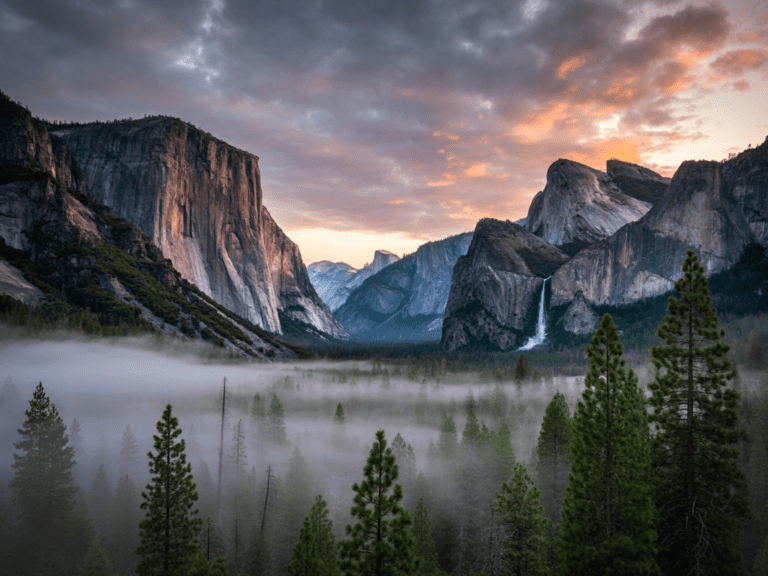
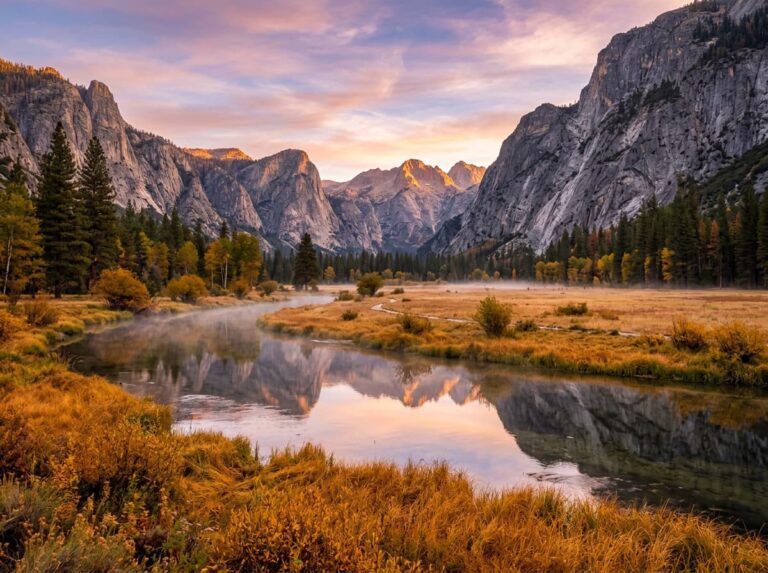
    Some landscapes become part of our imagination through the photographs we find at the end of a long search. Kings Canyon National Park arrived at the end of this one — the last of 63 national parks in a project that began at the Everglades 25 miles from home, traveled to the sand dunes above the Arctic Circle, descended into the longest cave on earth, climbed to 10,000 feet above Maui, and arrives here in a canyon deeper than the Grand Canyon on the western slope of the Sierra Nevada in California.
  • Finding Light in Pinnacles National Park

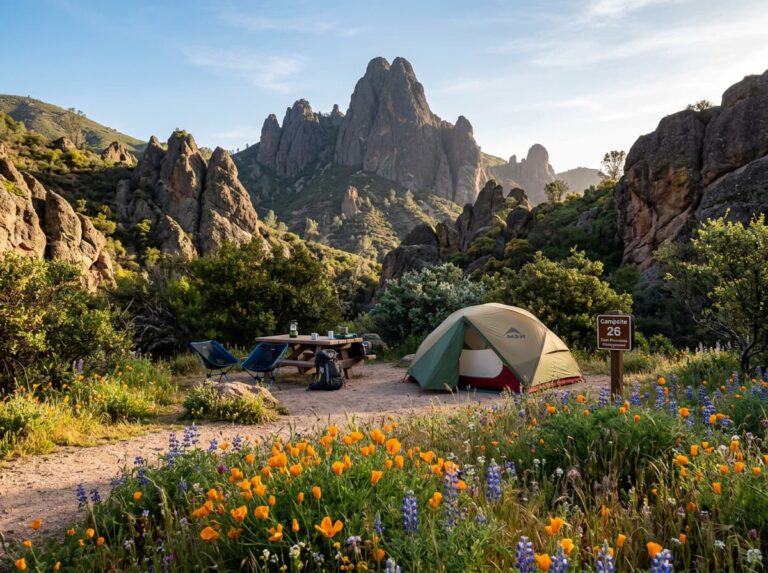
    Some landscapes become part of our imagination through the surprise of their existence. Pinnacles National Park sits about 80 miles south of San Jose in the Gabilan Mountains of central California, and most people who have driven Highway 101 through the Salinas Valley have passed within 30 miles of it without knowing it was there. It became a national park in 2013, elevated from national monument status, and it remains one of the least visited parks in California despite being within day trip distance of the San Francisco Bay Area and Los Angeles.

  • Storm Light in Channel Islands National Park

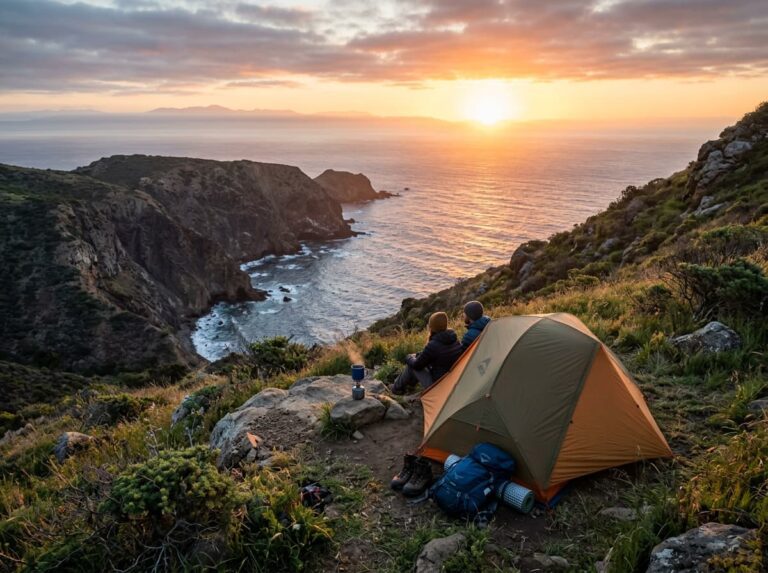
    I have driven the Pacific Coast Highway and remember islands visible from the road — though whether those were the Channel Islands or the more prominent Catalina Island closer to shore is genuinely uncertain from memory. The Channel Islands sit further out, 25 miles offshore from Ventura, and their distance from the coast is precisely what makes them extraordinary. Twenty-five miles of open Pacific creates a separation from the California mainland that feels, once you arrive on the islands, like a complete departure from the world you left behind at the harbor.

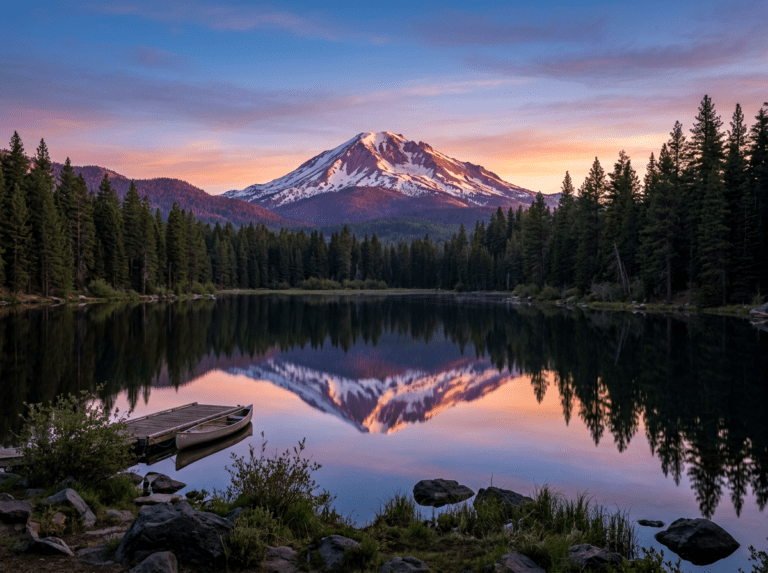
  • Finding Light in Lassen Volcanic National Park

    The Manzanita Lake reflection is the primary sunrise target and it operates on the same wind-and-calm logic as every mountain lake reflection in the park system. The window is pre-dawn, before the morning breeze develops on the lake surface — typically the first 30 to 45 minutes of light, when the peak catches the alpenglow above and the reflection below holds the color of the pre-dawn sky. The campground at Manzanita Lake puts you at the lake shore without a commute, which is the practical advantage for the 5am start the reflection requires.

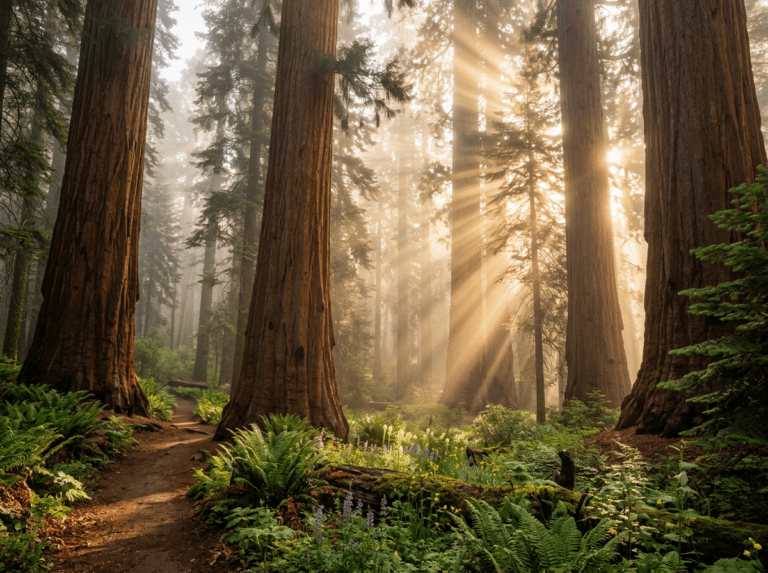
  • First Light at Sequoia National Park

    The question of how Sequoia differs from the Redwoods is worth answering directly, because it comes up for anyone who has visited one and is planning the other. The coast redwoods are the tallest trees — they grow in a narrow coastal fog belt in northern California and reach heights up to 380 feet. The giant sequoias are the largest trees by volume — they grow on the western slopes of the Sierra Nevada between 5,000 and 7,000 feet and reach trunk diameters of up to 40 feet. The redwood forest feels like a cathedral of vertical space. The sequoia grove feels like standing among ancient monuments. Both are extraordinary. They are not the same experience.

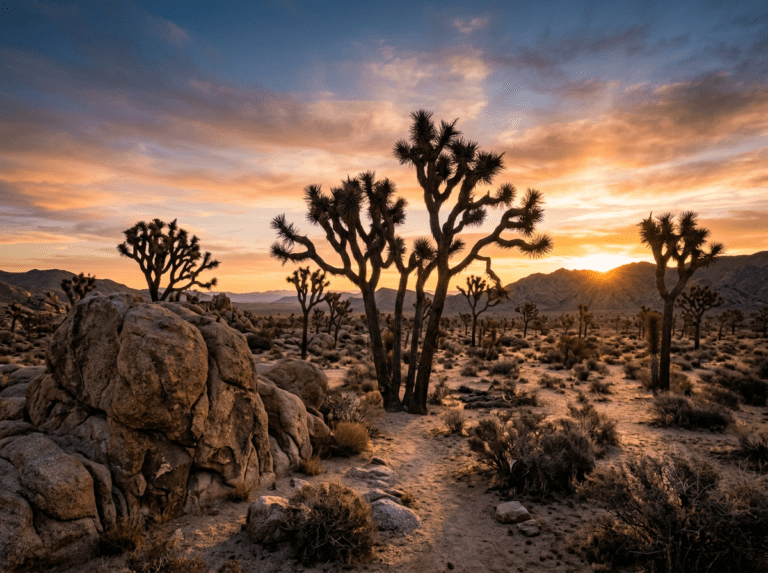
  • The Light at Joshua Tree National Park

    Some landscapes become part of our imagination long before we ever visit them. Joshua Tree is one of those — the surreal silhouettes of the trees against a fading sky, the stacked boulder formations that look arranged rather than geological, the sense of a landscape that operates by rules different from anywhere else. I had seen those images for years before I finally drove through the park.

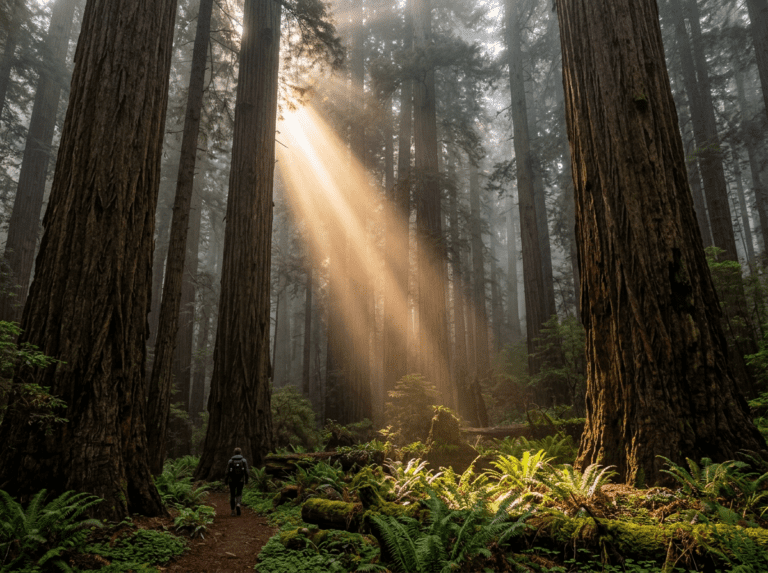
  • The Light at Redwood National and State Parks

    Some landscapes become part of our imagination long before we ever visit them. The redwood coast of northern California is one of those — the photographs of the ancient groves, the shafts of light through the canopy, the trees so large that people standing at their base become suggestions of scale rather than human beings. I had those images in my head before I ever drove Highway 101 through Del Norte County.

  • Chasing Light in Death Valley National Park

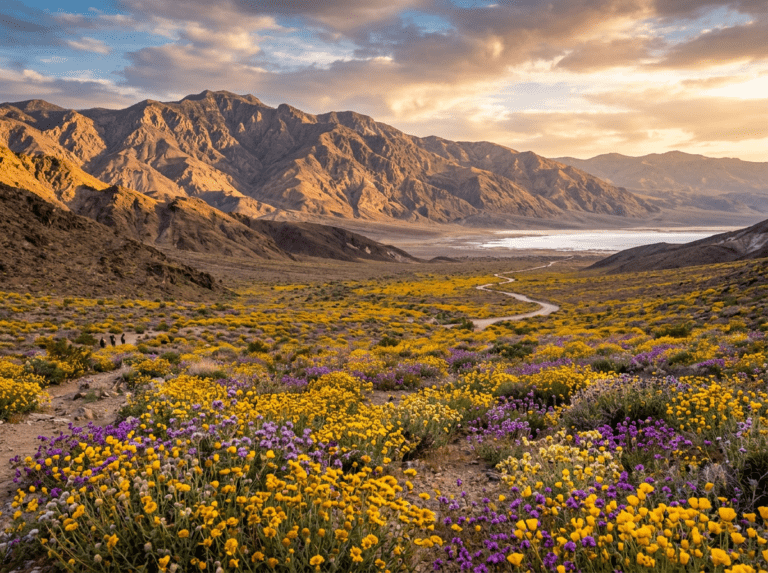
    As I write this, my social media feed is full of images from Death Valley that look nothing like the park I drove through. The super bloom is happening — the desert floor covered in wildflowers in colors that seem impossible for a place that receives less than two inches of rain in an average year. Gold and purple and white across the valley floor, the Panamint Mountains behind them, the salt flats of Badwater Basin in the distance. Every image is better than the last one. The most spectacular wildflower display since 2016, by most accounts. And I am not there.