national parks

  • Finding Light in Gateway Arch National Park

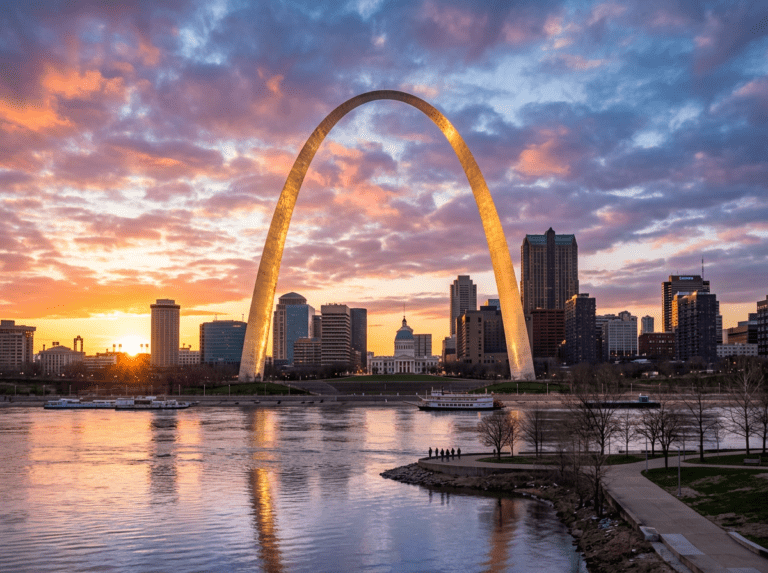
    I have not visited Gateway Arch as a national park. I have seen it from a distance — from a highway, from across the river, the way most people encounter it. Seeing it properly, on foot, with a camera and an intention to understand what it actually is as a photography subject, is a different proposition. This is the park in the 63-park series that most challenges the conventional definition of what a national park is supposed to be — and that challenge is worth engaging honestly.
  • The Light at Crater Lake National Park

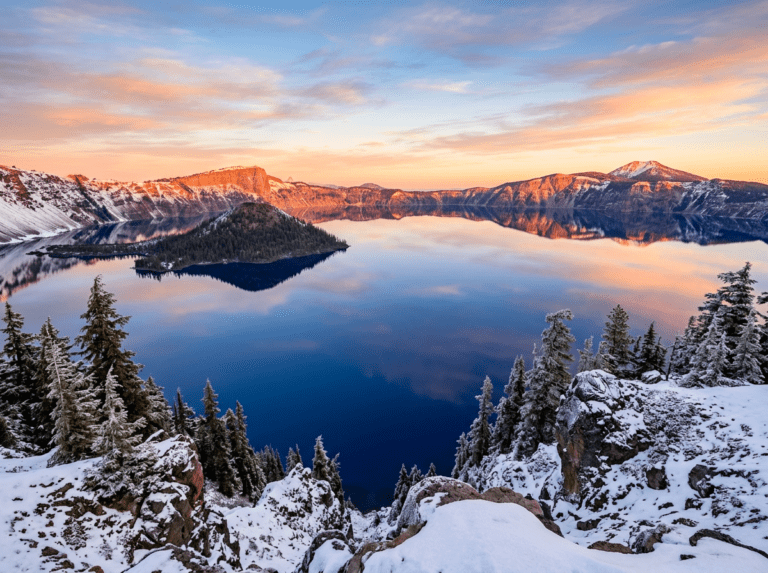
    I have not been to Crater Lake. It is one of the parks I most want to correct that about, and the research I have done in preparation has only deepened the anticipation. The lake sits in the caldera of Mount Mazama, a volcano that erupted catastrophically approximately 7,700 years ago and then collapsed into itself, leaving a bowl six miles across and 2,000 feet deep that slowly filled with water over centuries. The Klamath people witnessed that eruption. Their oral traditions describe it. The geology and the human history are both extraordinary — and both visible in a single view from the rim.

  • Chasing Light in Big Bend National Park

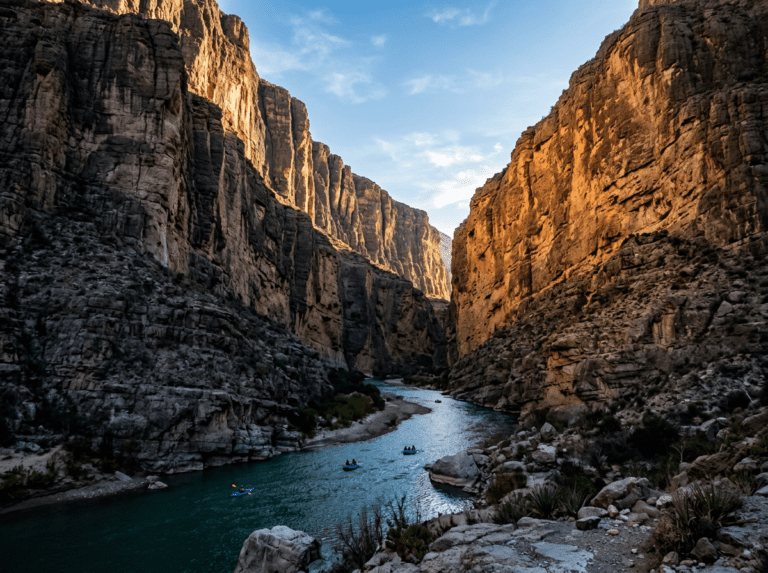
    Big Bend National Park sits in the southwestern corner of Texas where the Rio Grande makes its great southward bend before turning north again — 801,000 acres of Chihuahuan Desert, the Chisos Mountains rising from the desert floor to 7,800 feet, and 118 miles of river forming the international boundary with Mexico. The nearest commercial airport is four hours away. The nearest large city is farther than that. There is one gas station inside the park. Cell service is essentially nonexistent beyond the Panther Junction visitor center area.

  • Finding Light in National Park of American Samoa

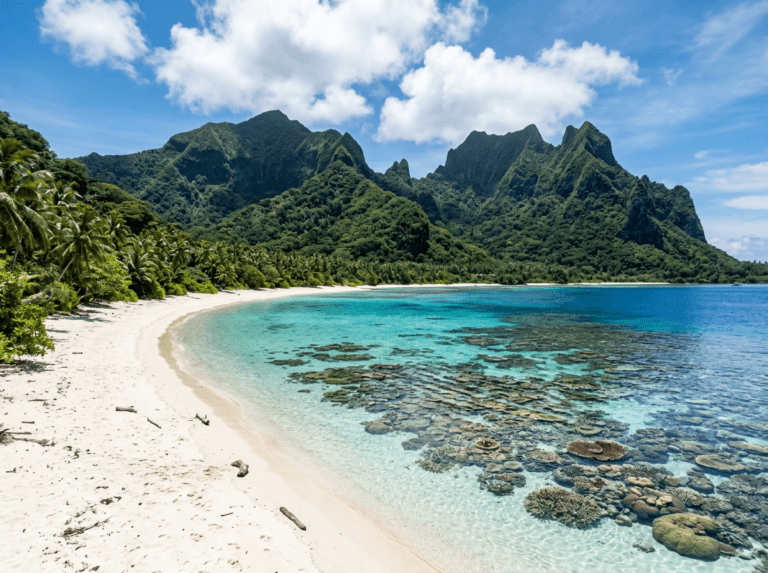
    Some landscapes become part of our imagination long before we ever visit them. The National Park of American Samoa has been in mine for years — not because of famous photographs or Instagram posts, but precisely because of the absence of those things. It is the national park that almost nobody talks about, that almost nobody visits, and that sits further from the continental United States than any other unit in the system — 2,600 miles southwest of Hawaii, deep in the South Pacific.

  • Chasing Light in Glacier National Park

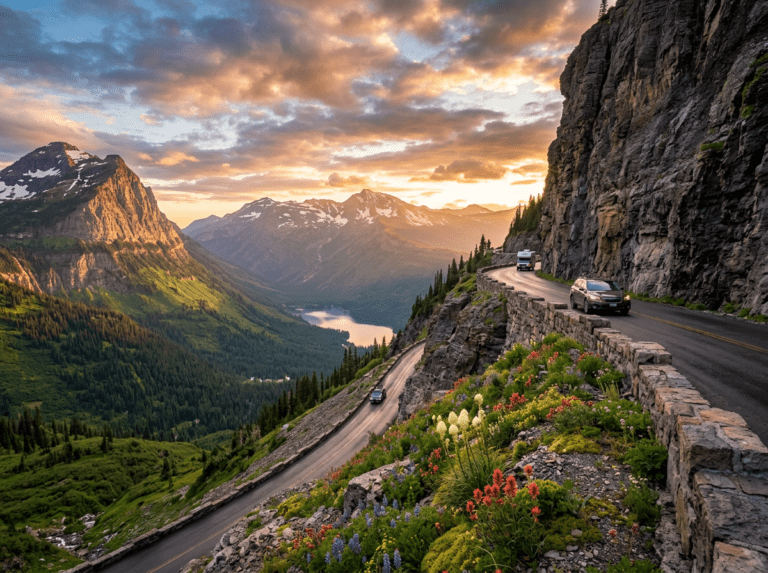
    What I want to do differently on the return is leave the car. The road showed me what Glacier looks like from 6,646 feet at Logan Pass. The hikes from that pass — the Hidden Lake Overlook trail, the Highline Trail along the Garden Wall — show you what it feels like from inside it. There is a difference between driving through extraordinary light and hiking into it, and the next visit is about the hiking version. That and an RV camp close enough to the park that the early morning starts are practical rather than heroic.

  • The Light at Mesa Verde National Park

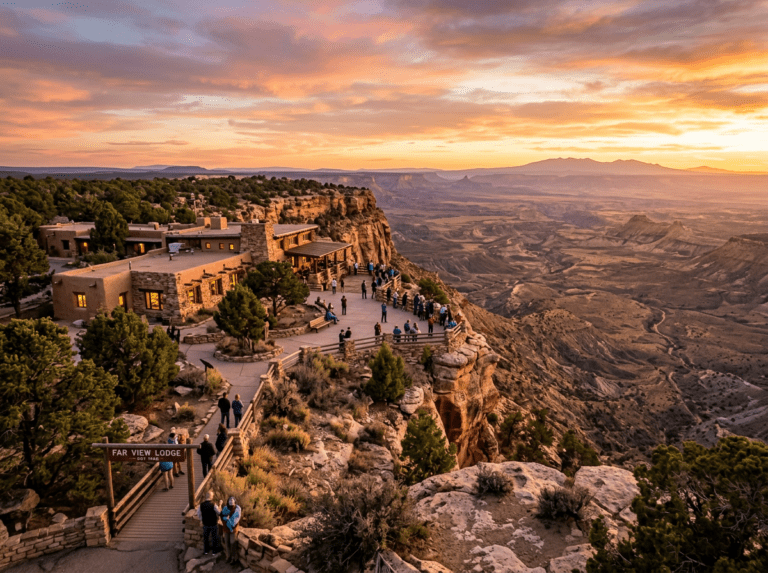
    When planning a visit to America’s national parks, most destinations can be appreciated without significant background knowledge. You arrive at the Grand Canyon and the scale does the work. You arrive at Yellowstone and the thermal features explain themselves. Mesa Verde is different. Mesa Verde requires context before you arrive, or the cliff dwellings risk becoming something you photograph without fully understanding — impressive stone structures tucked into canyon walls, beautiful and ancient and somehow incomplete without the human story behind them.

  • Storm Light in Theodore Roosevelt National Park

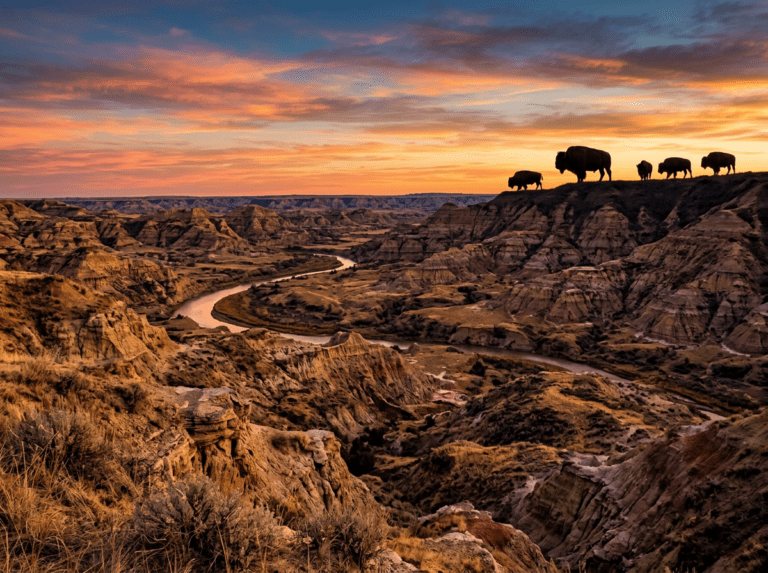
    Some landscapes become part of our imagination long before we ever visit them. Theodore Roosevelt National Park is not one of those. It tends to arrive as a surprise — a park most people haven’t thought much about, sitting in the North Dakota badlands along the Little Missouri River, named for the president who spent formative years in this exact landscape and credited it with saving his life after the deaths of his wife and mother on the same day in 1884.

  • Finding Light in Yellowstone National Park

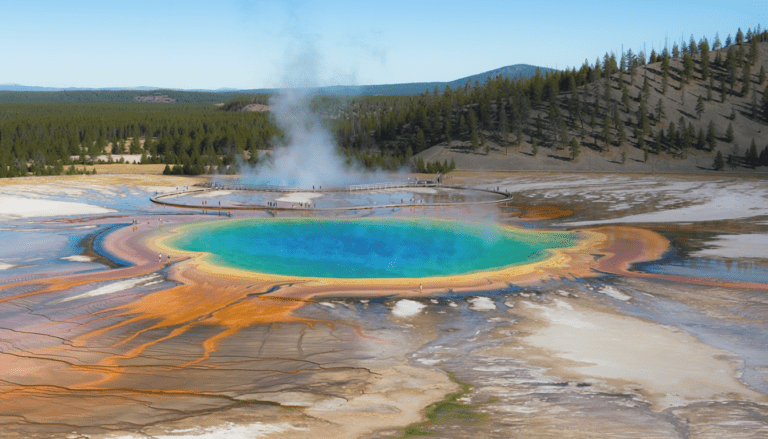
    Yellowstone is America’s first national park — established in 1872, before the concept of a national park fully existed in law or in public imagination. It is also, by almost any measure, the most geologically extraordinary place on the continent. The supervolcano beneath it drives a hydrothermal system unlike anything else on earth, producing geysers, hot springs, mud pots, and fumaroles across 10,000 individual thermal features. For photographers, it is simultaneously one of the most rewarding and most logistically challenging parks in the system — extraordinary subjects everywhere, and crowds that require either timing or strategy to navigate.

  • The Light at Joshua Tree National Park

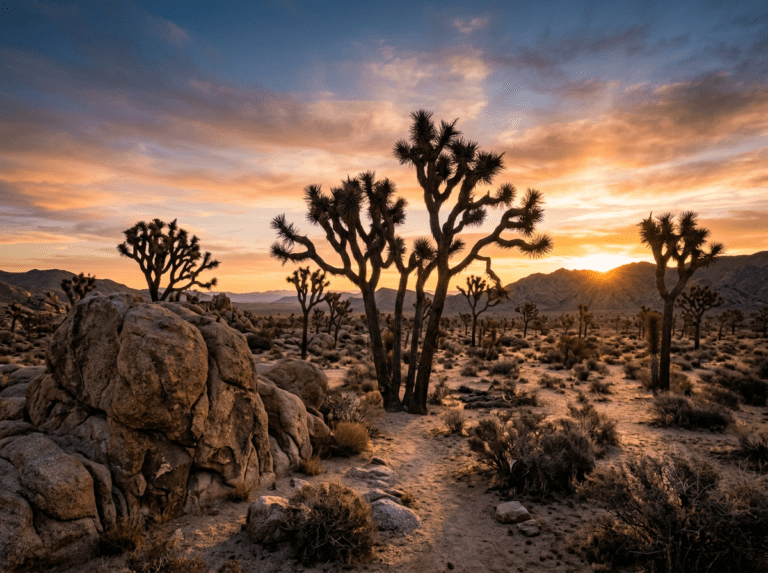
    Some landscapes become part of our imagination long before we ever visit them. Joshua Tree is one of those — the surreal silhouettes of the trees against a fading sky, the stacked boulder formations that look arranged rather than geological, the sense of a landscape that operates by rules different from anywhere else. I had seen those images for years before I finally drove through the park.

  • Inside Congaree National Park

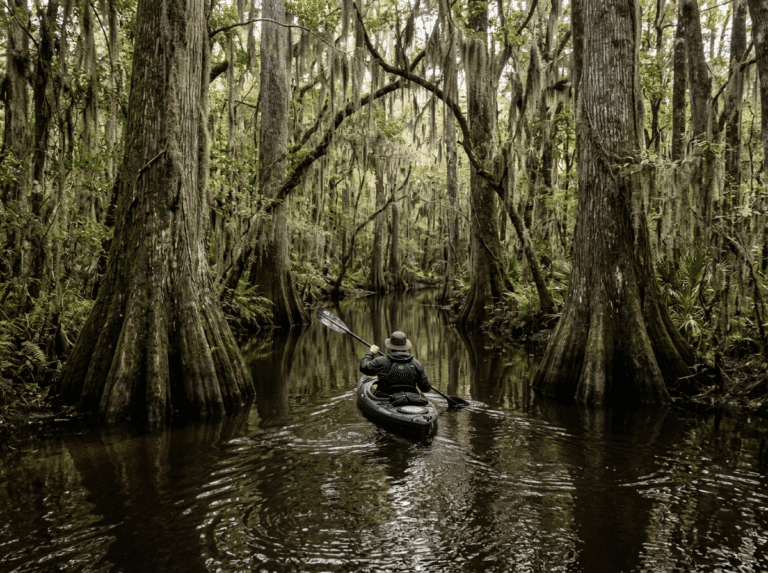
    Congaree National Park protects the largest intact expanse of old-growth bottomland hardwood forest in the United States — 26,000 acres of floodplain forest in central South Carolina where the Congaree and Wateree Rivers deposit rich sediment that has allowed trees to grow to extraordinary size for centuries. The park contains the highest temperate deciduous forest canopy in North America, with loblolly pines, bald cypress, water tupelo, cherrybark oak, and sweetgum reaching heights that dwarf the surrounding managed timberlands.