Alaska

  • Finding Light in Kobuk Valley National Park

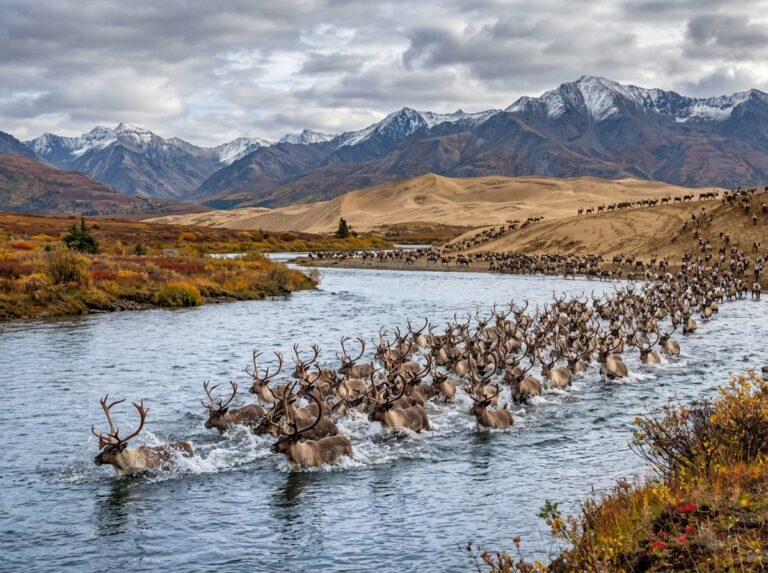
    When planning a visit to America’s national parks, some destinations require a second look at the map to confirm what the photograph is showing. Kobuk Valley National Park contains active sand dunes above the Arctic Circle. Not near the Arctic Circle, not at its edge — 35 miles north of it, in the boreal forest and tundra of northwestern Alaska, where the Great Kobuk Sand Dunes rise to 100 feet above the Kobuk River valley floor with the Brooks Range as backdrop and the caribou migration passing through them twice a year.
  • Inside Wrangell-St. Elias National Park

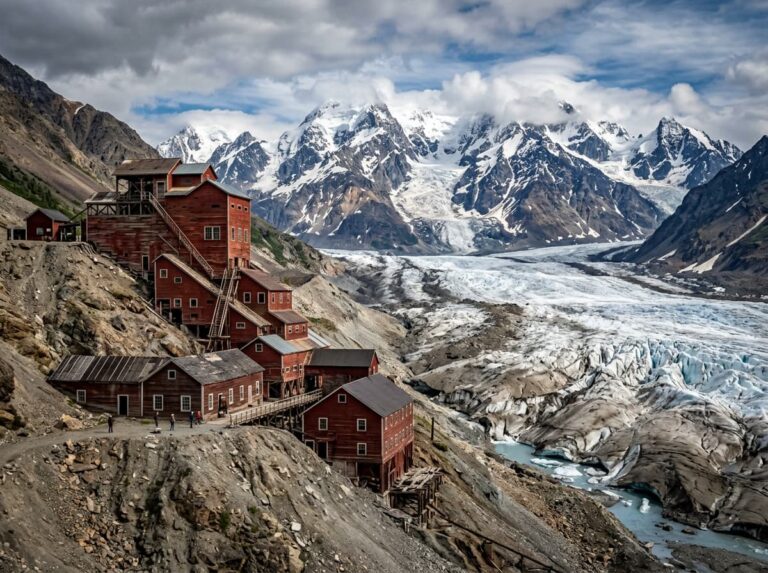
    Every photographer eventually builds a list of places they cannot believe exist at the scale described. Wrangell-St. Elias National Park and Preserve is at the top of that list. It covers 13.2 million acres of southeastern Alaska — larger than the entire country of Switzerland, larger than Yellowstone and Yosemite and the entire Swiss Alps combined. It contains nine of the sixteen highest peaks in the United States. It holds the largest collection of glaciers outside the polar ice caps. The Bagley Icefield alone, one of several major ice systems within the park, covers more area than the state of Rhode Island.

  • Storm Light in Lake Clark National Park

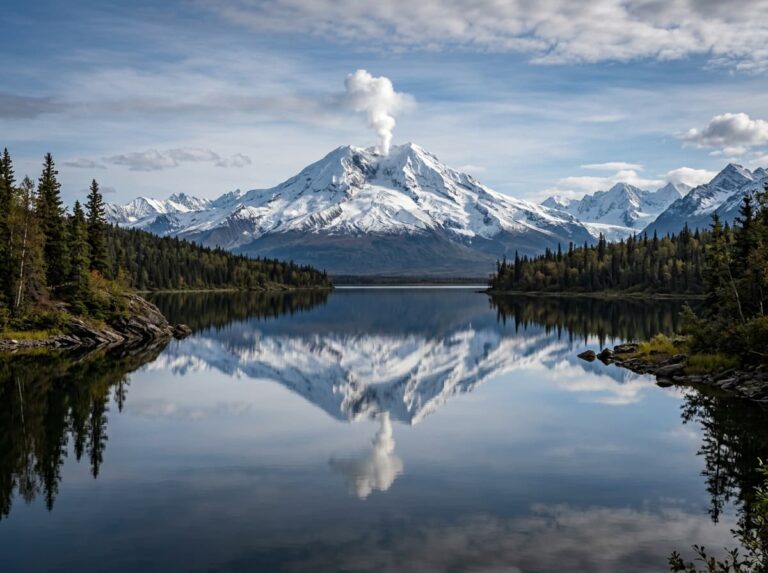
    When planning a visit to America’s national parks, the Alaska parks occupy a category that the lower 48 cannot replicate. They are larger, more remote, more demanding, and more rewarding in a proportion that remains consistent across all of them. Lake Clark National Park and Preserve sits at the far end of that spectrum — not because it is the most famous Alaska park or the most visited, but because it contains more of what Alaska offers in a single park boundary than any other unit in the system.

  • Inside Gates of the Arctic National Park

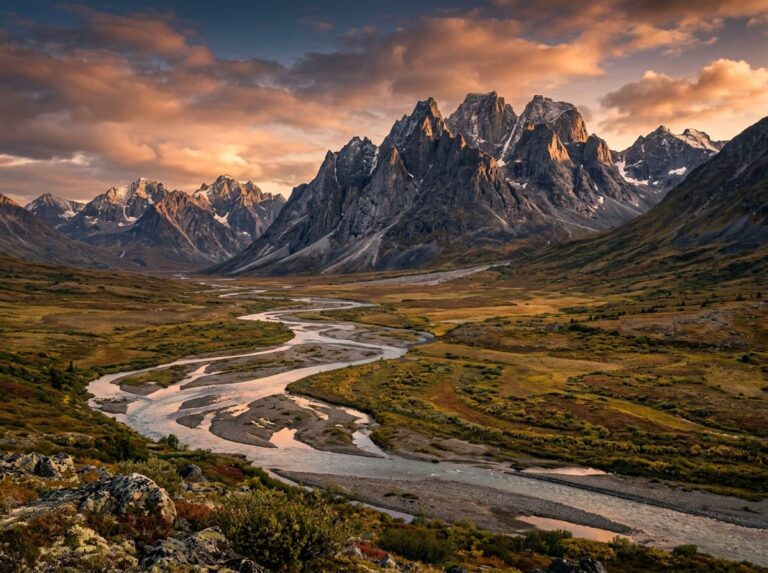
    Some landscapes become part of our imagination through their absolute otherness. Gates of the Arctic National Park exists at the outer edge of what the national park system contains — not just geographically, though it sits entirely above the Arctic Circle in the Brooks Range of northern Alaska, but philosophically. This is the park that has no roads leading to it, no trails within it, no visitor facilities inside its boundaries, no entrance station, and no fee. It is 8.5 million acres of arctic wilderness — larger than Switzerland — where the only way to arrive is by small aircraft or by walking in from the Dalton Highway, and where everything that happens after arrival is entirely the visitor’s responsibility.

  • Finding Light in Katmai National Park

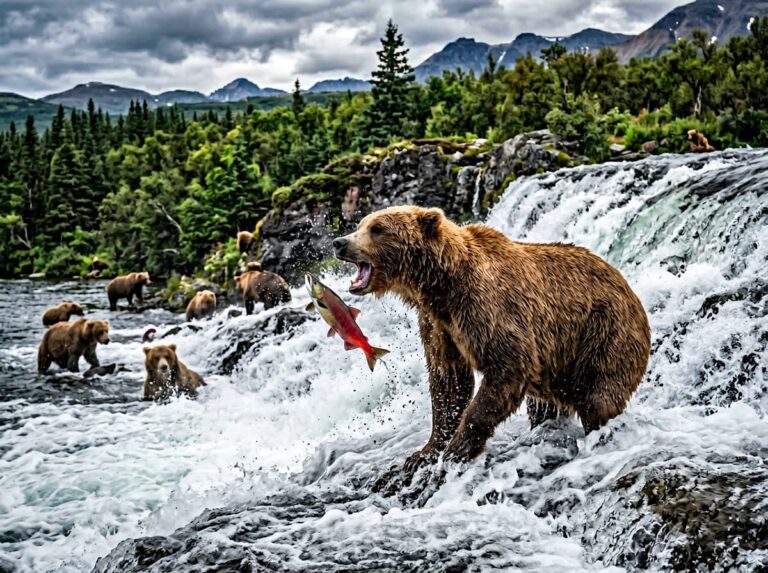
    When planning a visit to America’s national parks, most destinations offer a range of experiences that shift depending on the season, the weather, and what the photographer chooses to pursue. Katmai National Park in Alaska narrows that range to something more specific. You go to Katmai for the bears. And if you go at the right time with the right planning, what you find at Brooks Falls is the finest concentration of large predator wildlife photography available anywhere in the national park system — or anywhere on earth.

  • Finding Light in Glacier Bay National Park

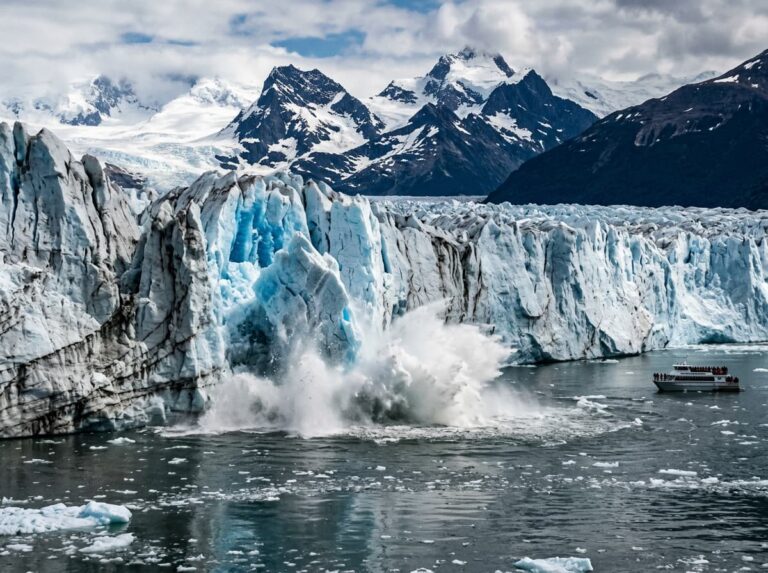
    Some landscapes become part of our imagination through comparison. Glacier Bay National Park entered mine through Kenai Fjords — the Alaska park where a spontaneous boat tour became one of the most memorable experiences of my 50 at 60 journey. The tidewater glaciers calving into the fjord. The puffins on the sea stacks. The humpback whales surfacing close enough to feel the water move. If Kenai Fjords could produce all of that from a last-minute ticket at the Seward harbor, what might Glacier Bay — larger, more remote, more deliberately planned — produce with proper intention and preparation?

  • Finding Light in Kenai Fjords National Park

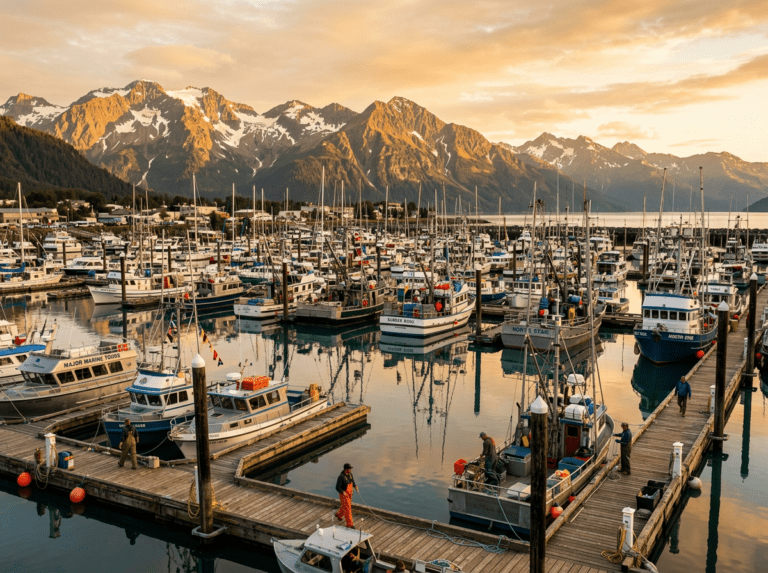
    I was in the early days of my 50 at 60 journey — Alaska was state number two — and I found myself driving south from Anchorage toward the coastal town of Seward on a morning with no fixed agenda. Seward sits at the head of Resurrection Bay, a narrow fjord cutting into the Kenai Peninsula, and when I arrived I saw a sign for a boat tour departing that afternoon. I booked it on the spot. No research, no planning, no particular expectation beyond getting out on the water.

  • Chasing Light in Denali National Park

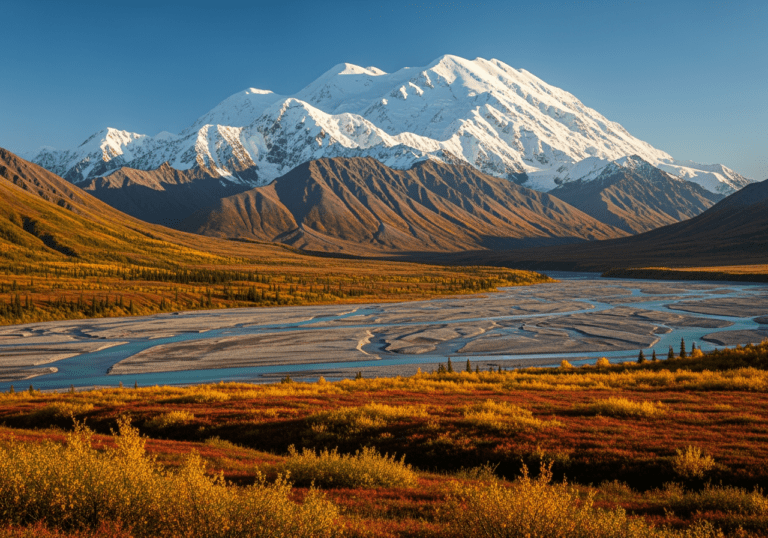
    When planning a visit to America’s national parks, some destinations carry a weight that the others do not. Denali is one of those. The highest peak in North America — 20,310 feet of granite and ice rising from the Alaska Range — has a presence that is felt before it is seen, a scale that the photographs suggest but cannot fully communicate, and a name that carries its own history.