landscape photography

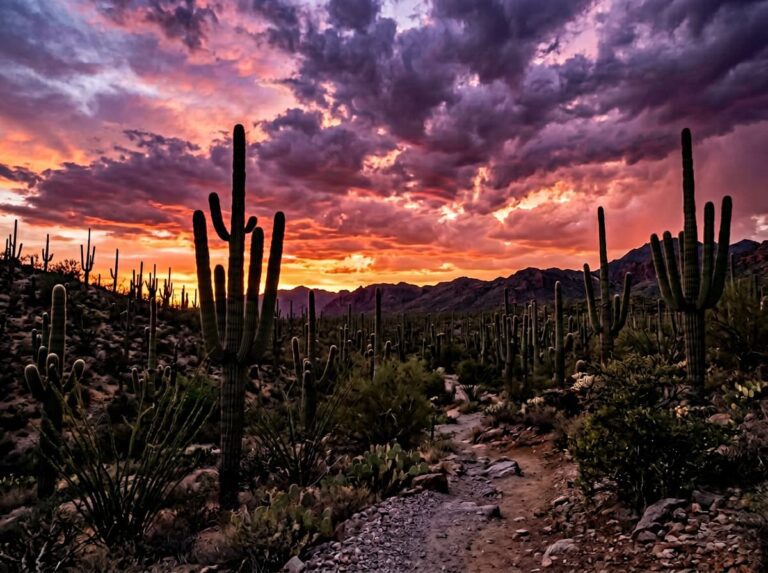
  • Storm Light in Saguaro National Park

    Every photographer eventually builds a list of places they know from work that they want to return to with a camera and no schedule. Tucson is on that list — I lit an event there years ago and came away with a strong sense of the place, the light, the landscape, and the wildlife that moves through it with complete indifference to the humans temporarily occupying the same space. The javelinas specifically. Those compact, bristly, borderline prehistoric animals trotting through the desert vegetation like the Sonoran Desert belongs to them, which it does.
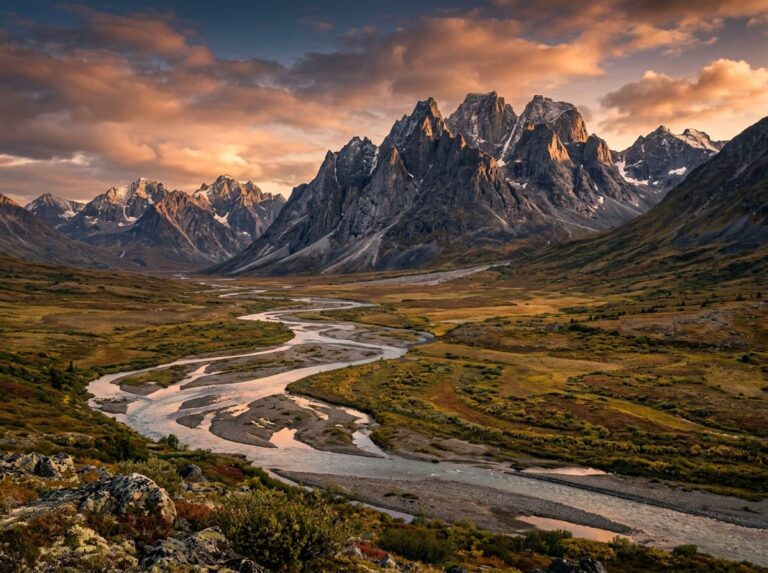
  • Inside Gates of the Arctic National Park

    Some landscapes become part of our imagination through their absolute otherness. Gates of the Arctic National Park exists at the outer edge of what the national park system contains — not just geographically, though it sits entirely above the Arctic Circle in the Brooks Range of northern Alaska, but philosophically. This is the park that has no roads leading to it, no trails within it, no visitor facilities inside its boundaries, no entrance station, and no fee. It is 8.5 million acres of arctic wilderness — larger than Switzerland — where the only way to arrive is by small aircraft or by walking in from the Dalton Highway, and where everything that happens after arrival is entirely the visitor’s responsibility.

  • Finding Light in Katmai National Park

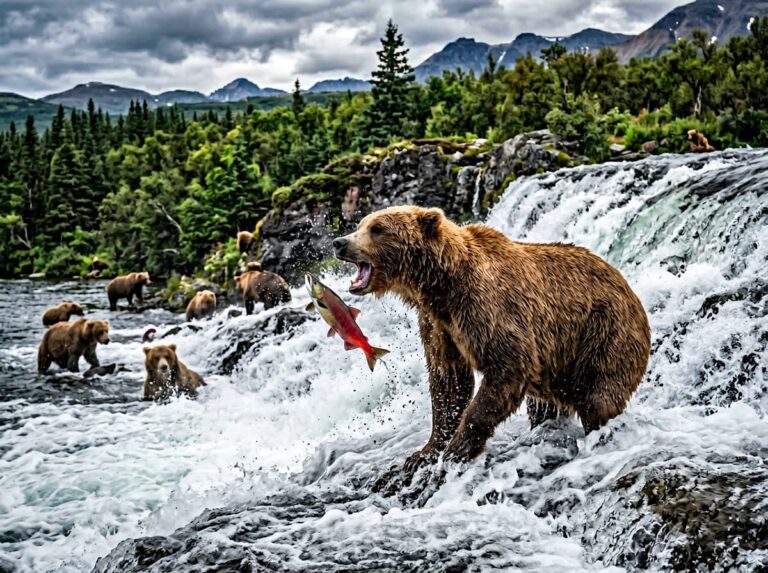
    When planning a visit to America’s national parks, most destinations offer a range of experiences that shift depending on the season, the weather, and what the photographer chooses to pursue. Katmai National Park in Alaska narrows that range to something more specific. You go to Katmai for the bears. And if you go at the right time with the right planning, what you find at Brooks Falls is the finest concentration of large predator wildlife photography available anywhere in the national park system — or anywhere on earth.

  • The Light at Isle Royale National Park

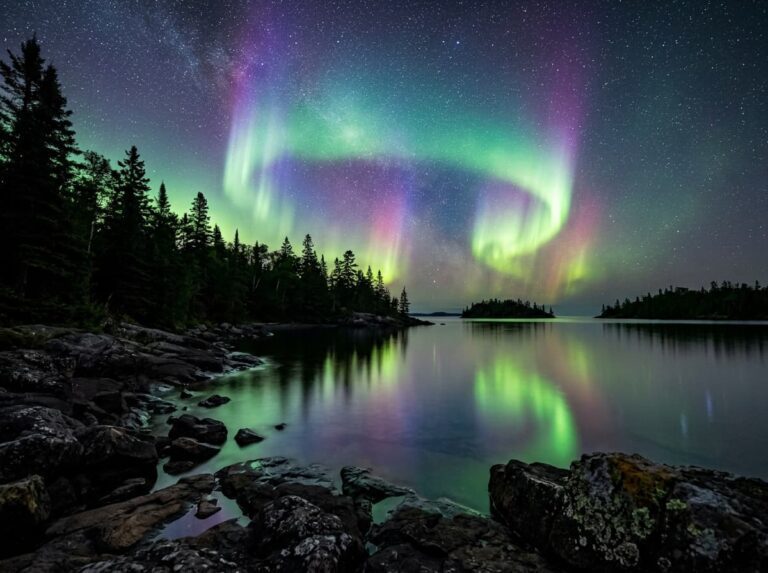
    Every photographer eventually builds a list of images they have studied so carefully they can almost feel the conditions that produced them. The Northern Lights above Lake Superior, reflected in the still water off an Isle Royale shoreline, is on that list. It is the photograph that requires mosquitoes, a boat, advance planning, and the particular willingness to commit to a wilderness island in the middle of the largest freshwater lake in the world on the chance that the aurora will appear.

  • Storm Light in Channel Islands National Park

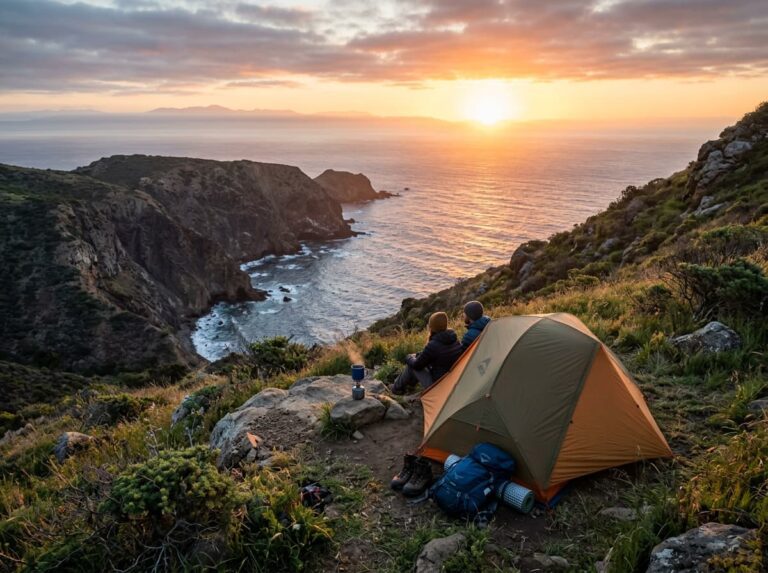
    I have driven the Pacific Coast Highway and remember islands visible from the road — though whether those were the Channel Islands or the more prominent Catalina Island closer to shore is genuinely uncertain from memory. The Channel Islands sit further out, 25 miles offshore from Ventura, and their distance from the coast is precisely what makes them extraordinary. Twenty-five miles of open Pacific creates a separation from the California mainland that feels, once you arrive on the islands, like a complete departure from the world you left behind at the harbor.

  • First Light at Petrified Forest National Park

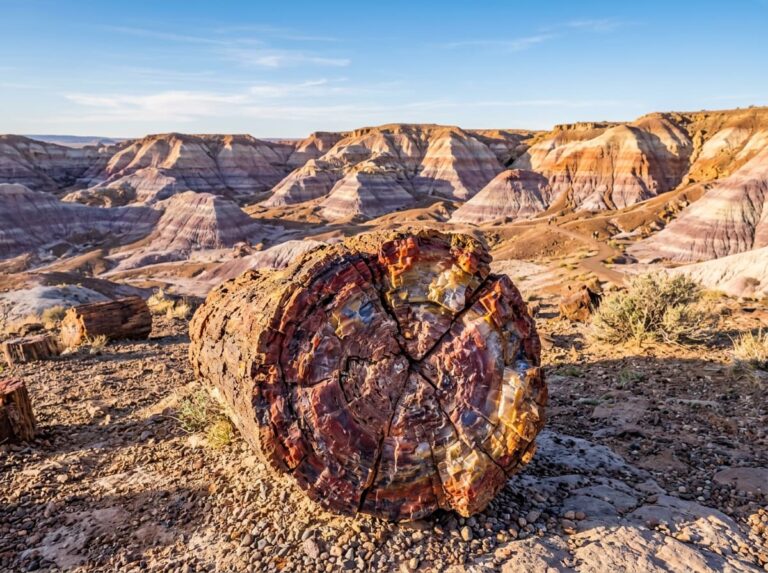
    Some landscapes become part of our imagination long before we ever visit them. Petrified Forest National Park became part of mine before I could read — as a smooth, colorful, impossibly heavy piece of stone sitting in a bowl on a shelf at my grandparents’ house. I picked it up and asked what it was. They told me about a place in Arizona where ancient trees had turned to stone over millions of years, where the forest floor was covered in wood that was no longer wood — that had been replaced, molecule by molecule, by silica and iron and manganese until it held the shape and the grain of a tree trunk but rang like rock when you tapped it.

  • Finding Light in Guadalupe Mountains National Park

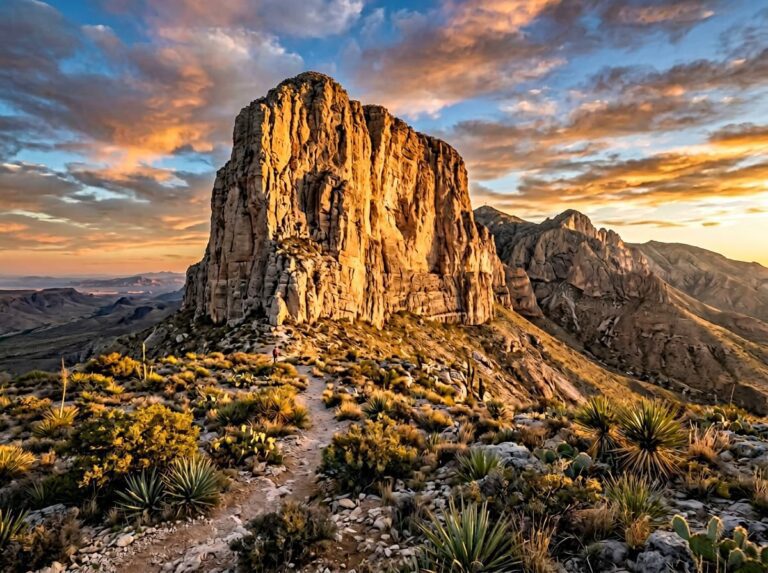
    Every photographer eventually builds a list of landscapes that exist in genuine geological relationship with each other. Guadalupe Mountains National Park and Carlsbad Caverns National Park are the above and below of the same ancient story — the Capitan Reef, a massive coral reef that grew at the edge of an inland sea 265 million years ago and now forms both the cave systems of Carlsbad and the mountain mass rising from the Chihuahuan Desert in West Texas.

  • The Light at Carlsbad Caverns National Park

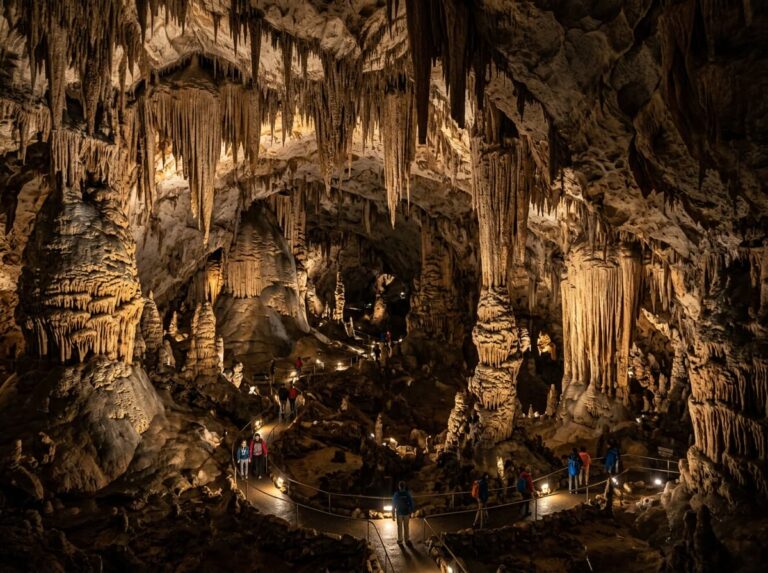
    The caverns sit beneath the Chihuahuan Desert of southeastern New Mexico, and what is underground there is not a modest geological curiosity. The Big Room — the main chamber of Carlsbad Cavern — is one of the largest cave chambers in North America, covering 8.2 acres at its widest and reaching 255 feet at its highest point. It contains stalactites, stalagmites, columns, draperies, popcorn formations, and cave pearls in a density and a variety that makes Laurel Caverns, wonderful as it is, feel like a preview of what a cave can actually be.

  • Finding Light in Glacier Bay National Park

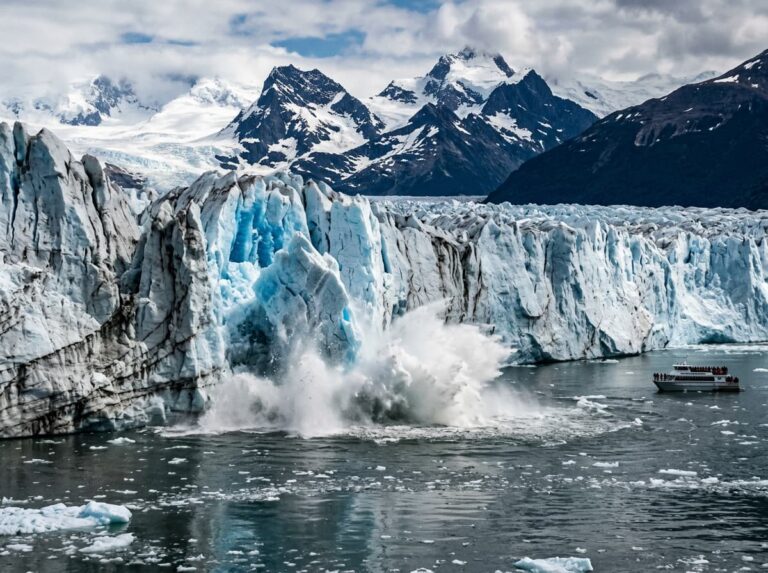
    Some landscapes become part of our imagination through comparison. Glacier Bay National Park entered mine through Kenai Fjords — the Alaska park where a spontaneous boat tour became one of the most memorable experiences of my 50 at 60 journey. The tidewater glaciers calving into the fjord. The puffins on the sea stacks. The humpback whales surfacing close enough to feel the water move. If Kenai Fjords could produce all of that from a last-minute ticket at the Seward harbor, what might Glacier Bay — larger, more remote, more deliberately planned — produce with proper intention and preparation?

  • Chasing Light in North Cascades National Park

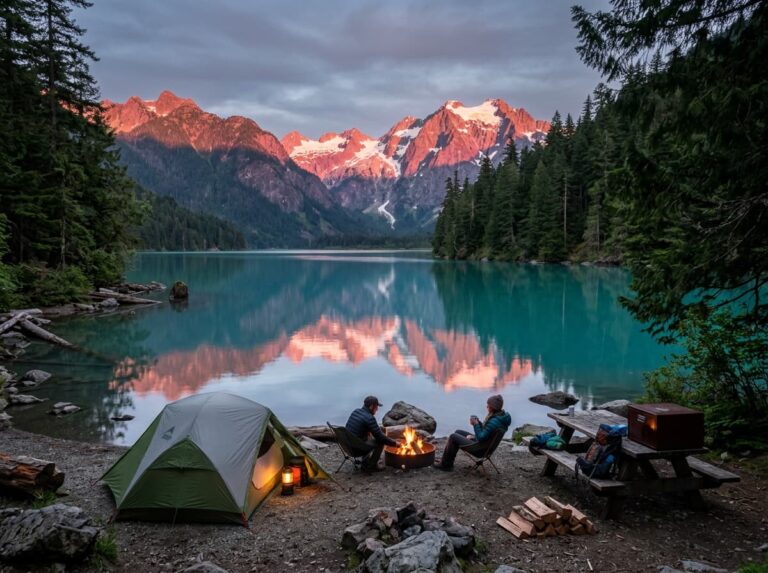
    Every photographer eventually builds a list of landscapes they drove away from. North Cascades National Park is on that list — east of Seattle, east of where I was headed when I flew into Washington to begin the 50 at 60 journey, east of the Pacific coast and Olympic that pulled me westward on that first trip. I could see the Cascade Range from the highway. I turned left instead of right and never made it.